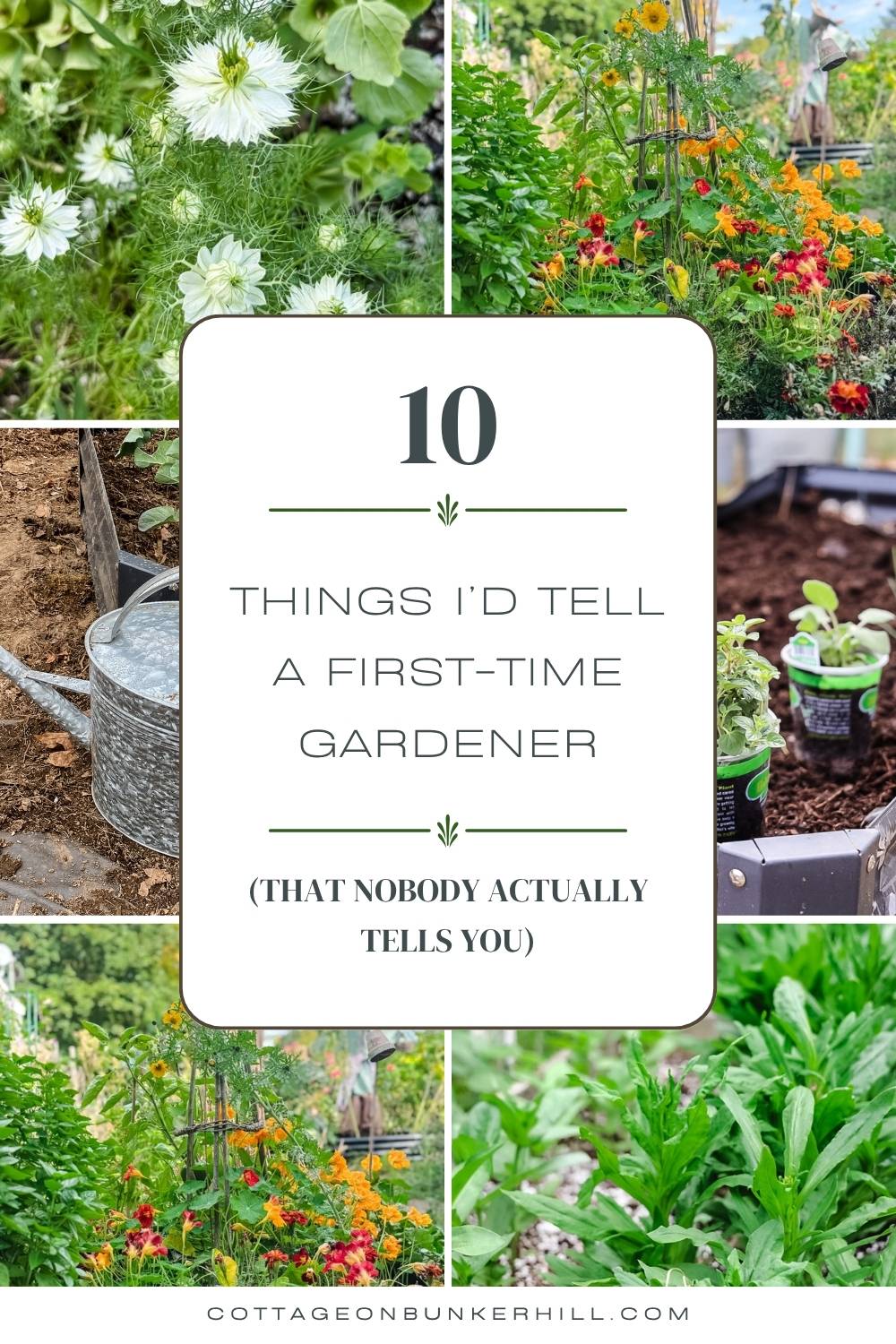
Every Spring, a fresh batch of people decides this is the year they’re going to garden. Maybe it’s the seed catalogs that started showing up in January. Maybe it’s one too many $18 bouquets at the grocery store. Maybe they just bought a house with a sunny backyard, and it felt like the universe was sending a message.
Whatever brought you here, welcome! Gardening is one of the most rewarding things I do, and also one of the most humbling. After years of growing everything from zinnias to tomatoes in my little New England garden, here’s what I wish someone had pulled me aside and told me at the very beginning.
10 Things I’d Tell a First-Time Gardener
Starting a garden for the first time? Start small, fix your soil before you plant anything, and don’t be afraid to ask your local nursery for help. Water at the base of your plants in the early morning, keep a notebook and take photos all season long, and give yourself permission to learn as you go. Gardening is trial and error for everyone, even the experienced ones.
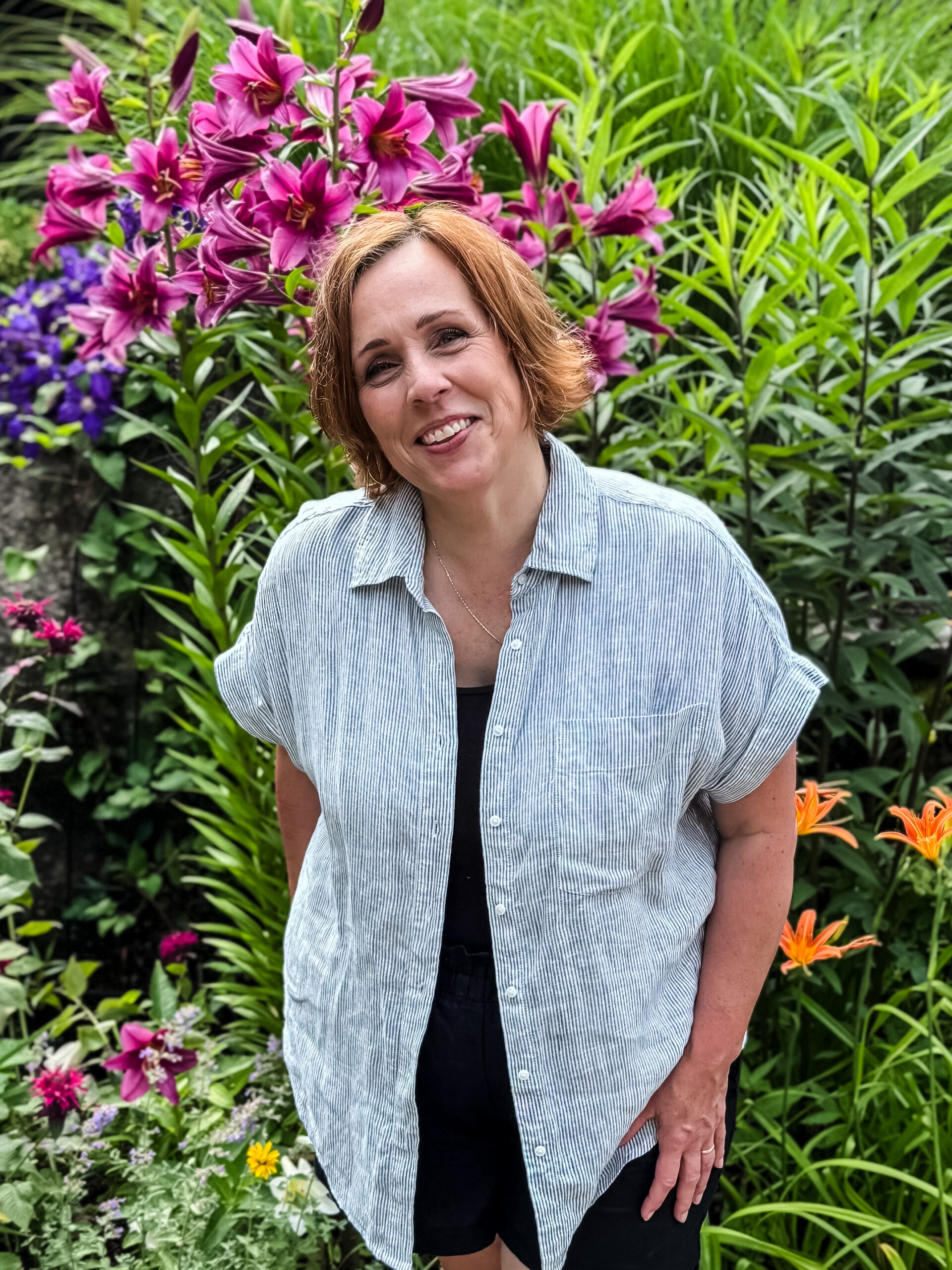
Welcome! I’m Jennifer from Cottage on Bunker Hill. A home gardener for over 20 years, I’ve spent the last 5 specializing in our cut flower garden, learning through trial, error, and a lot of dirty knees what actually works. My focus is on growing flowers with a purpose, whether for a vase on the kitchen table or for lasting projects, using simple, repeatable methods that fit into a real, busy life.
This post may contain affiliate links, which means we receive a small commission if you purchase through our links. See our disclaimer page for more information.
10 Honest Tips for First-Time Gardeners
Thinking about starting a garden? Here are 10 things I wish someone had told me when I was a beginner.
1. You Will Kill Things! That’s Not Failure That’s Gardening.
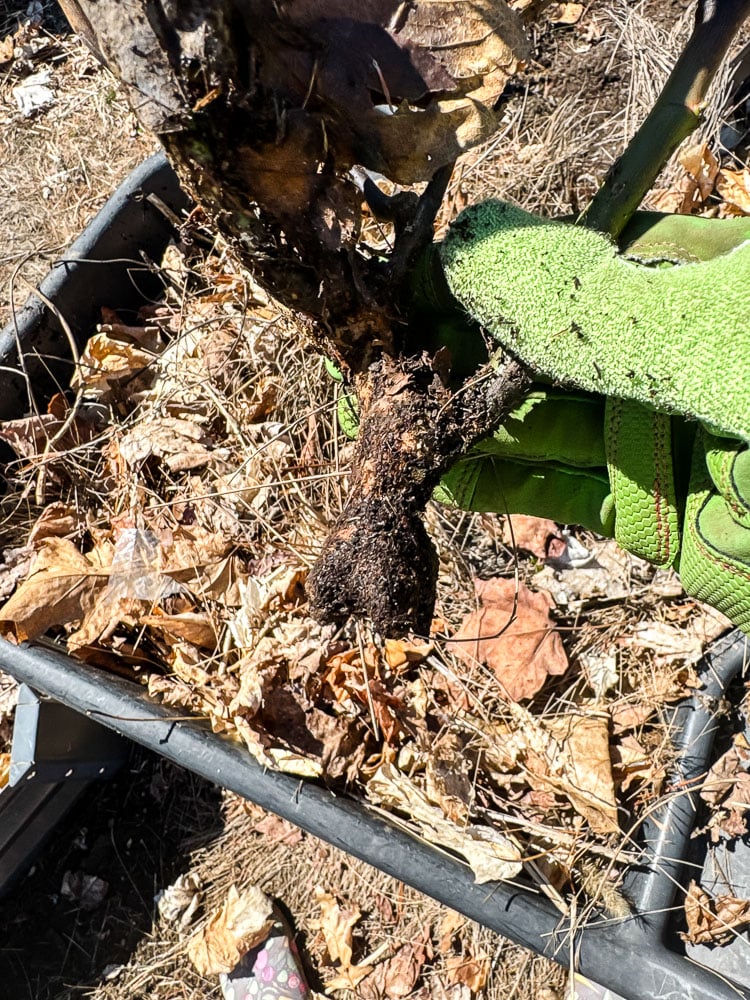
Every gardener has a graveyard. Last year, it was my gorgeous rose bush plus about 15 other perennials that voles had destroyed over the winter (they live underground over the winter and eat all the roots). Plants die for reasons that have nothing to do with your competence, and plants also survive in spite of complete neglect. The sooner you make peace with the fact that some things just won’t make it, the more you’ll actually enjoy the whole process.
Two years ago, I didn’t have a single snapdragon transplant that I started from seed survive transplanting. Not even ONE!!! Last year, every seed I started grew and then thrived in the garden.
My personal rule is a three-strike policy, just like baseball. If a flower doesn’t perform over three seasons, it’s off the roster. I give everything a fair shot, but I’ve learned not to keep fighting for something that clearly doesn’t want to grow for me!
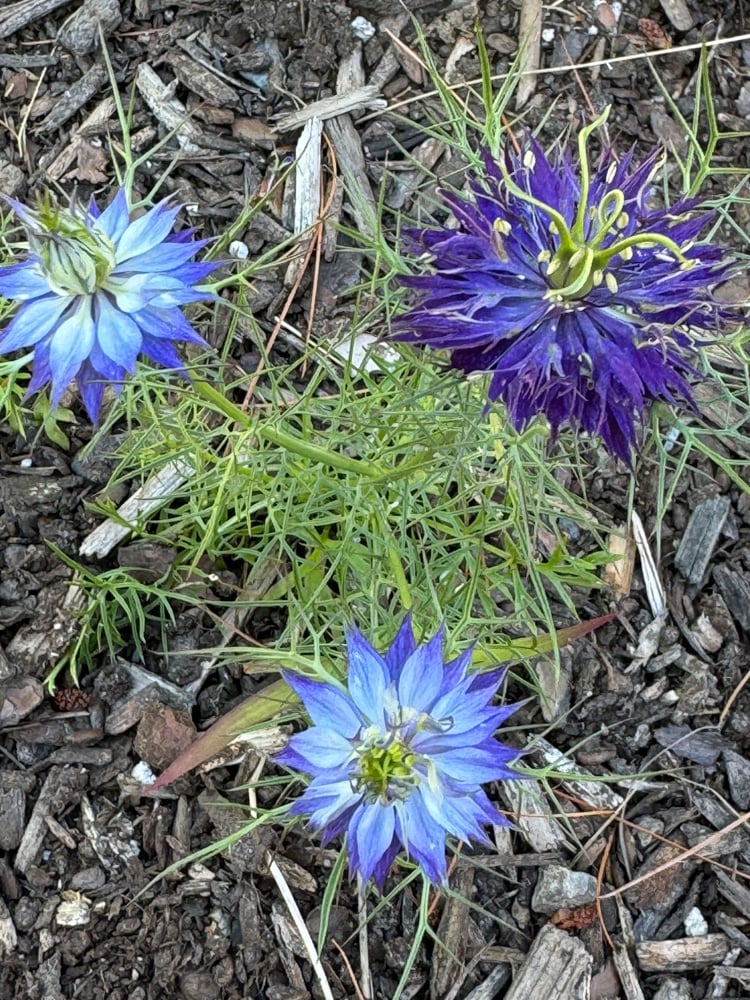
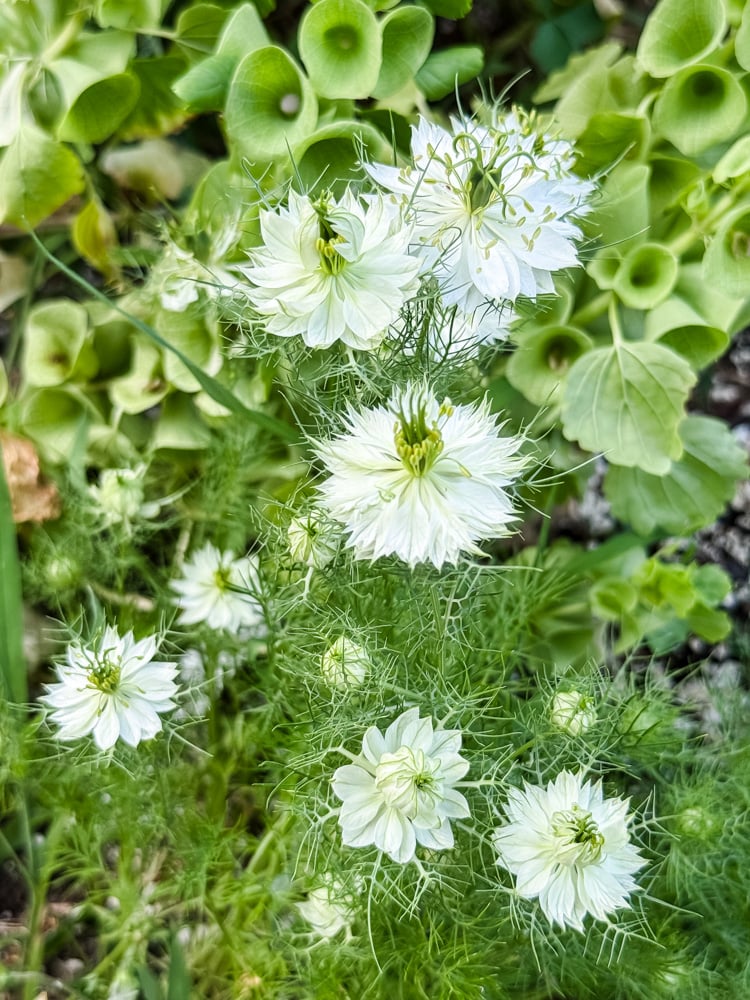
A good example from my garden is growing Love-in-a-Mist (nigella). The first year, I had 0 flowers, the second year I had exactly 3, and last year every seed grew and filled its section of my raised bed.
I’ve been gardening for 25 years, and I still have multiple fails every year! Just come to peace with that and carry on.
2. Start Smaller Than You Think You Should

I am begging you. That empty sunny patch looks like it could hold fifty plants. It can. The question is whether you can water, weed, and care for fifty plants while also having a job, a life, and a back that works. Start with 1 or 2 raised beds or one manageable patch. You can always expand next year- and you will want to, I promise!
Those Instagram reels and TikTok gardens make it look effortless and beautiful and completely doable at any scale… I know. But trust me when I say you will feel so much better finishing your first season with a manageable patch of things you actually grew than ending it exhausted and wondering why you started.
3. The Soil Is The Whole Thing

You can buy the most expensive seeds and the cutest garden tools and the perfect planter, and if you put everything in bad soil, nothing will thrive. Before you plant a single thing, invest in good compost. Amend your beds. Get your soil right. It is genuinely the most unglamorous gardening advice there is, and it is the most important.
If you’re not sure where to start, pay a visit to your local nursery and just ask! They know your region, your climate, and exactly what your soil probably needs. Here in New Hampshire, I love the Coast of Maine soils & compost mixes; they are more expensive than your big box store bagged soils, but the quality is unmatched. I would recommend at least mixing their compost in your garden beds to give them a boost.
4. Watering Is More Complicated Than It Sounds

Too much is just as bad as too little, and most new gardeners overwater. Learn to check the soil before you reach for the hose. I stick my finger an inch down and see what’s actually happening.
When you water, do it at the base of the plant rather than overhead. Wet foliage invites disease and fungal issues, and most plants really just want the water at their roots anyway.
Timing matters too! Early morning is ideal because the water soaks in before the heat of the day, but late afternoon works in a pinch. What you want to avoid is watering in the middle of a hot, sunny day, when the water evaporates before it ever reaches the roots (picture it like watering your driveway on a sunny day, dries up in no time!) A little attention to the how and when makes a bigger difference than most beginners realize.
5. Weeds Will Not Wait For You To Be Ready
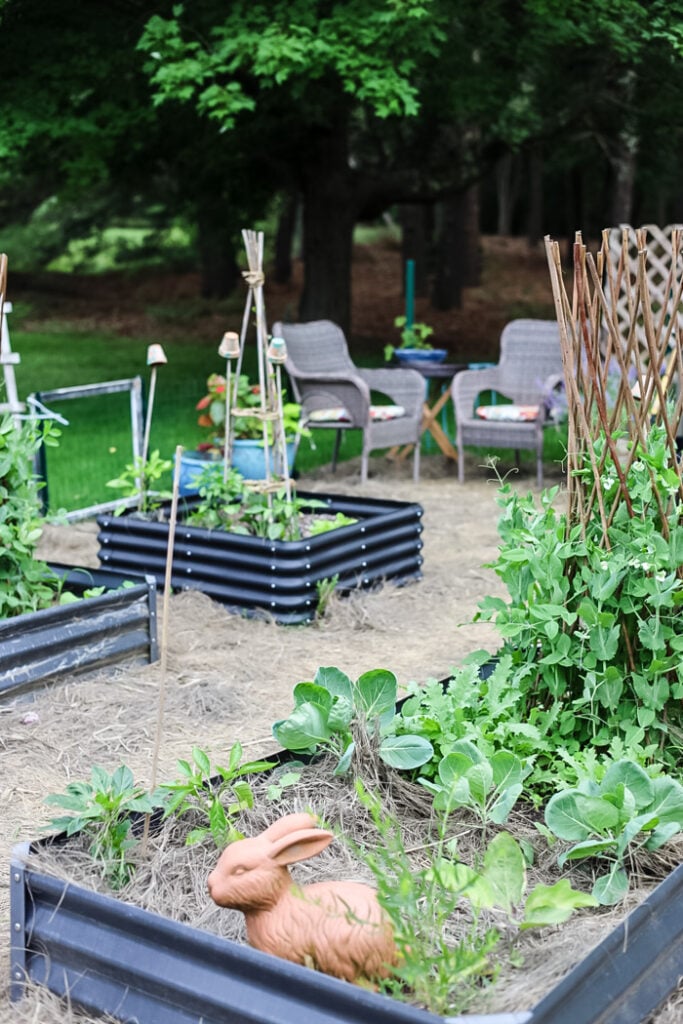
They will not respect your schedule, your energy levels, or the fact that it’s been a really long week. A little weeding done consistently beats a massive weeding session done once a month, every time. Ten minutes in the garden every few days is worth more than two hours on a Sunday.
I feel this one! Once you let the weeds get out of hand and spread, it really can get overwhelming! I love to go and check and water my garden first thing in the morning, and it’s the perfect time to pull the weeds that you see popping up.
Mulch is your best friend when it comes to keeping weeds under control. It smothers them before they get started and saves you so much time in the long run. Landscaping fabric works well on pathways, and if you happen to be in New England near the coast, salt marsh hay is worth seeking out. I use it in my raised beds and on the ground throughout the garden-it’s a classic New England gardening trick that works beautifully.
6. Not Everything Needs To Be Started From Seed
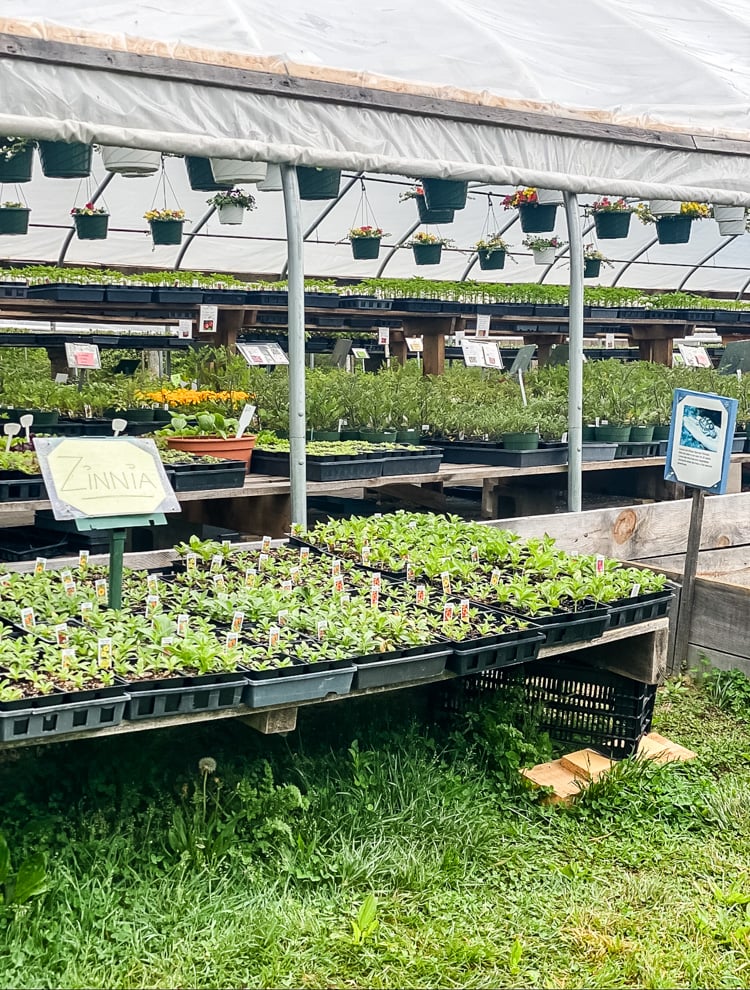
Starting from seed is deeply satisfying and also kind of a lot. There is zero shame in buying transplants from a local greenhouse or farmer’s stand, especially in your first year or two. Get comfortable with the garden first. You can geek out on seed starting once you’re hooked, and you will get hooked.
That said, if you do want to try seeds, start with something forgiving like zinnias and sunflowers, which are about as beginner-friendly as it gets! You direct sow them right in the ground once the soil has warmed up; they’re not fussy, and the seeds are easy to find at any garden center or hardware store.
Watching a zinnia push up through the soil from a seed you planted yourself is a genuinely thrilling thing, and it’ll have you hooked on seed starting before you know it.
Get comfortable with your garden first, add more complexity as you go, and let the wins build on each other.
7. Garden In The Climate You Have, Not The One You Want
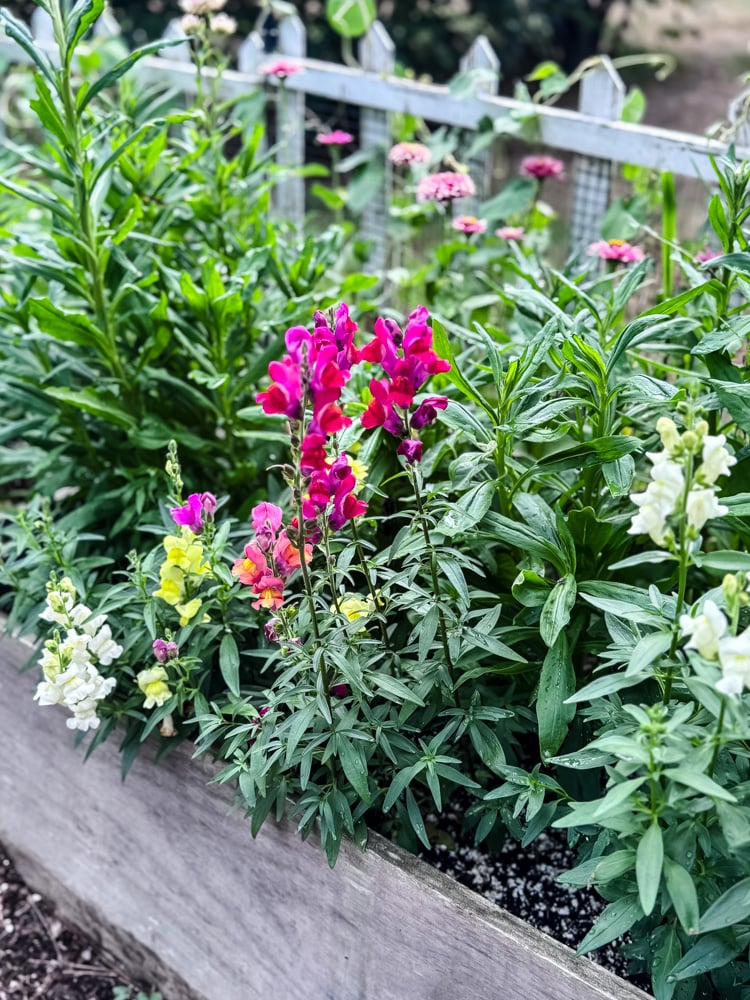
This one took me longer than I’d like to admit. Know your hardiness zone. Pay attention to your last frost date. Stop trying to grow things that want to be in Georgia when you live in New Hampshire. Working with your climate instead of against it will save you so much frustration, money, and heartbreak.
Before planning a thing, check what zone you live in, it will make all your decisions so much easier! USDA Zone Map
8. Things Take Longer Than You expect, And That’s Okay!
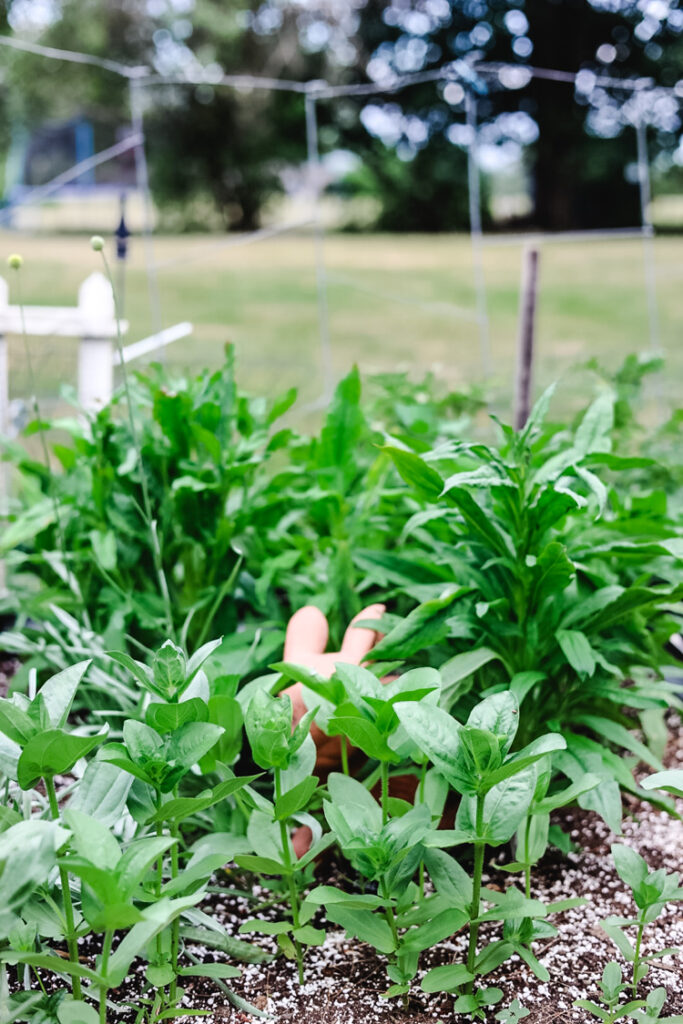
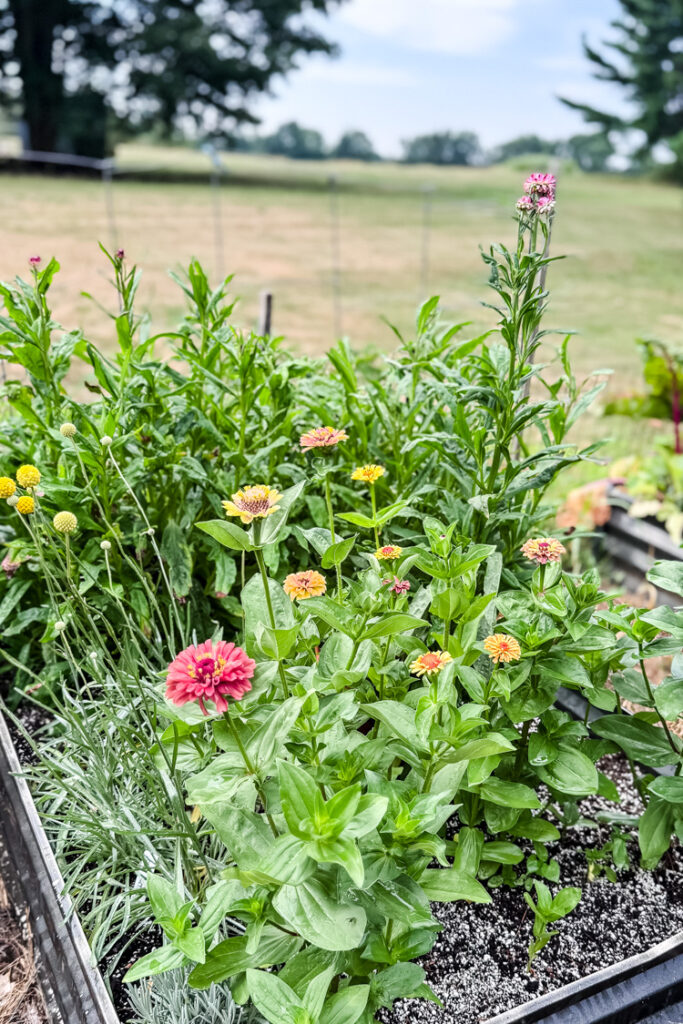
Your first season will feel slow. Some perennials won’t bloom until year two or three. Seeds you direct-sow will sit there doing apparently nothing for what feels like forever before they sprout. Gardening rewards patience in a way that most things in modern life don’t, which is either annoying or deeply therapeutic, depending on the day!
9. Keep Notes

A simple notebook, a notes app on your phone, a voice memo- anything. Write down what you planted, where you planted it, when it bloomed, and what you’d do differently.
Every year, I draw a simple diagram of my garden beds, so I know exactly what went where. It sounds like extra work until the following spring, when you genuinely cannot remember what’s coming up in that one corner. I also photograph my garden constantly throughout the season, and not just for the pretty shots. Those photos became one of my most useful planning tools. I can look back and see how certain flowers looked growing next to each other, which ones were showstoppers and which ones were- let’s say- underwhelming.
Come January, when I’m sitting with my seed catalogs, I go back through the whole season in photos and ask myself: did I love this? Would I grow it again? Did it earn its space? Your future self will thank you for every single photo you took and every note you scribbled down.
10. It Will Get Into Your Blood, And You Will Not Be Able To Stop
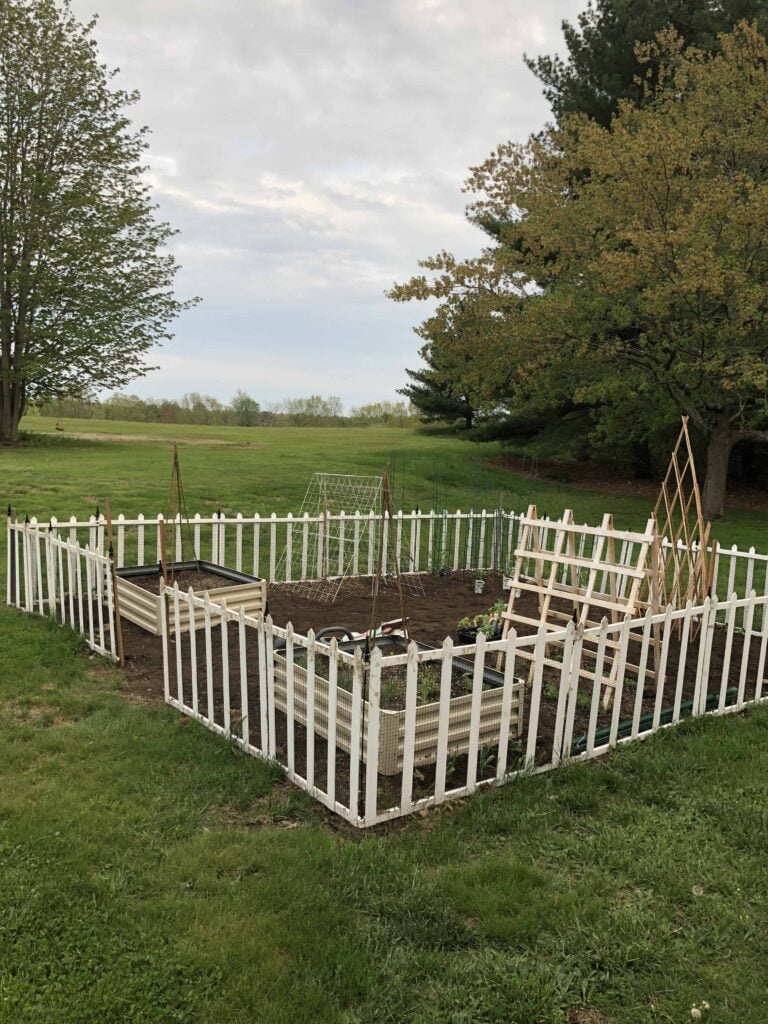

Fair warning: gardening is not a casual hobby for most people who try it. One raised bed becomes two. Two becomes a small garden. Then the garden starts taking over the backyard! You start reading seed catalogs in January like they’re novels. You follow strangers on the internet because of their zinnias. This is normal. This is all of us. Welcome to the club!
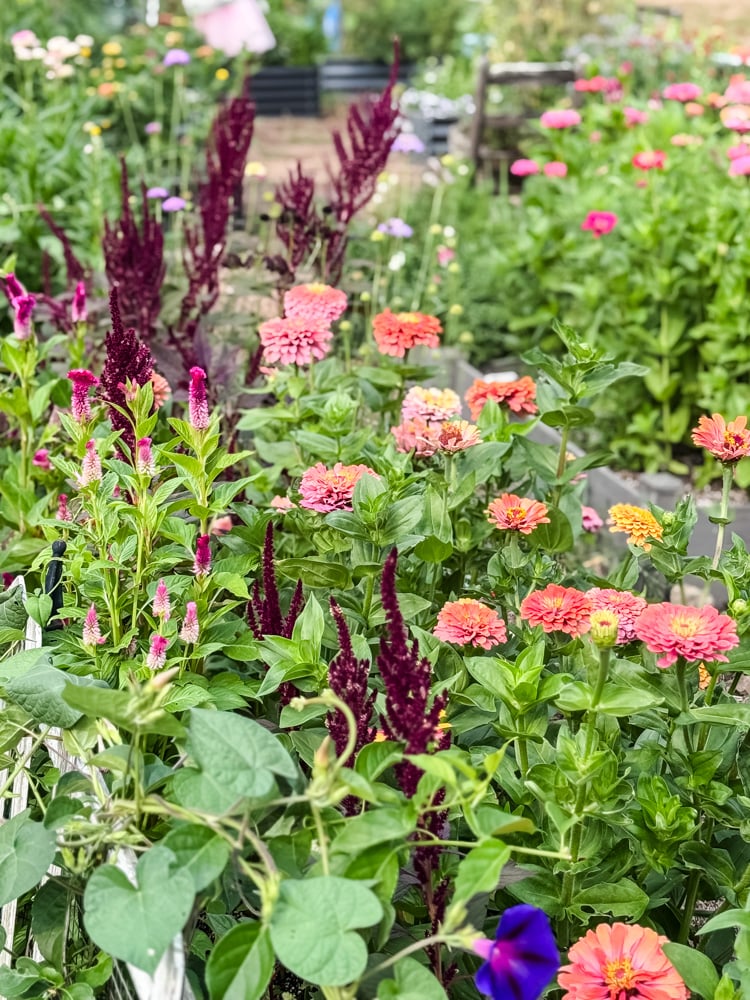
When I started my cutting garden at this house in 2018, it was a tidy 16 x 16 feet. By 2024, it had grown to 20 x 60. That’s what happens when you love it! You just keep going, a little bit more each year.
Fun Idea To Try!
One More Thing: Never Stop Learning
Gardening is one of those subjects where the more you know, the more you realize there is to know, and that’s actually part of the fun. The good news is that you don’t have to figure it out alone.
There are some genuinely wonderful books written specifically for beginner gardeners, and a few good ones will teach you more in a single winter than years of trial and error. I’ve rounded up my favorites right here, and I’d start there if you’re the kind of person who likes to do your homework before you dig in.

Beyond books, so much of what I’ve learned has come from just looking things up as questions came up in the garden. A plant that isn’t thriving, a pest I didn’t recognize, a flower I wanted to try, a quick search usually points me in the right direction. You don’t have to know everything before you start. You just have to be willing to learn as you go.
And one more thing: get yourself on the mailing lists for the big seed and garden companies. I know, I know more email! But those seed catalogs that show up in January are genuinely useful. I flip through mine constantly when I’m planning, checking bloom times, heights, spacing, and color combinations. They’re essentially free gardening references delivered right to your door, and honestly? Flipping through a seed catalog on a cold winter afternoon with a cup of tea is one of my favorite things. Consider it research.
The best time to start a garden was ten years ago. The second-best time is right now! Even if right now means a single pot on a sunny porch. Start somewhere. The rest has a way of taking care of itself.
Got a question about getting started? Drop it in the comments. I read every single one.
xo, Jennifer
Grow With Me Gardening Series

This is part of the Grow With Me Gardening Series here at Cottage On Bunker Hill. I want to teach you ways of starting, maintaining, and enjoying gardening. I will share all the tips & tricks that I have learned over the years growing both vegetable and flower gardens here in the Northeast.