

From the herbs to the flowers to the vegetables, my New Hampshire garden has more in common with a 1776 kitchen garden than I ever realized!
I was flipping through my Old Farmer’s Almanac this morning, required reading for any true New Englander, and yes, I’m completely serious!
(I’ve been reading the little poems at the end of each month’s weather column since I could read! )
When I stumbled into an article about colonial kitchen gardens. What they grew, how they laid them out, the philosophy behind every plant choice.
Some things don’t change.
And I kept stopping to think: wait, I do that.
Not because I’m particularly a big history buff. I grew up in New England, so the colonial era is sort of baked into the scenery: the stone walls, the old graveyards, the town commons that have looked exactly the same since 1740. History here isn’t a field trip; it’s just Tuesday. I literally have an old graveyard in the meadow next to my yard, the original family who settled this land. They’re my neighbors, in a manner of speaking.
But I’d never really thought about the gardens.

Here we are in 2026, the 250th anniversary of American independence, and it turns out my little cottage garden in southern New Hampshire has more in common with a 1776 kitchen garden than I ever would have guessed. Same plants. Same space-saving tricks. Same basic instinct to grow something, bring it inside, and make it useful.
Colonial kitchen gardeners and modern cottage gardeners? Not as different as you’d think.

Welcome! I’m Jennifer from Cottage on Bunker Hill. A home gardener for over 20 years, I’ve spent the last 5 specializing in our cut flower garden, learning through trial, error, and a lot of dirty knees what actually works. My focus is on growing flowers with a purpose, whether for a vase on the kitchen table or for lasting projects, using simple, repeatable methods that fit into a real, busy life.
The History Right Where I Live
The more I started to think about gardening in colonial times, I really started to think about my own town. We have so many homes in our town that date back to pre-revolutionary war times! As it turns out, the men who lived in the pre-Revolutionary homes here in Stratham, NH, were the ones who marched off to the Battle of Bunker Hill in 1775.
While they were away, the women left behind were tending the very same soil I walk on today, probably worrying about the same late New Hampshire frosts that I do!
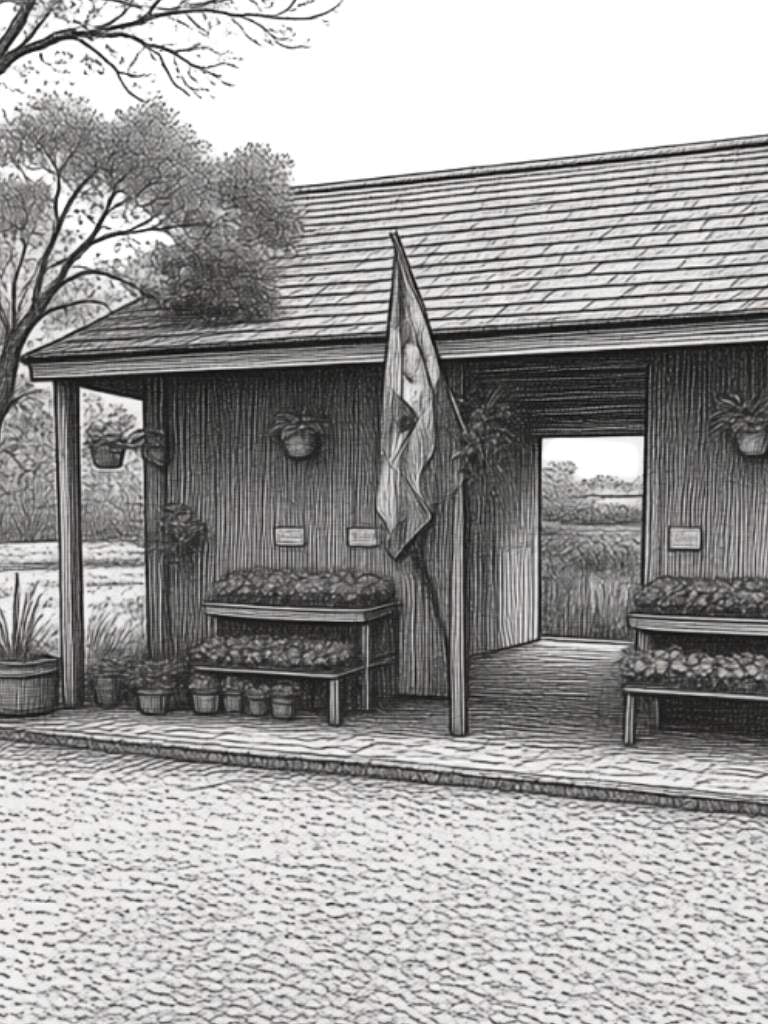
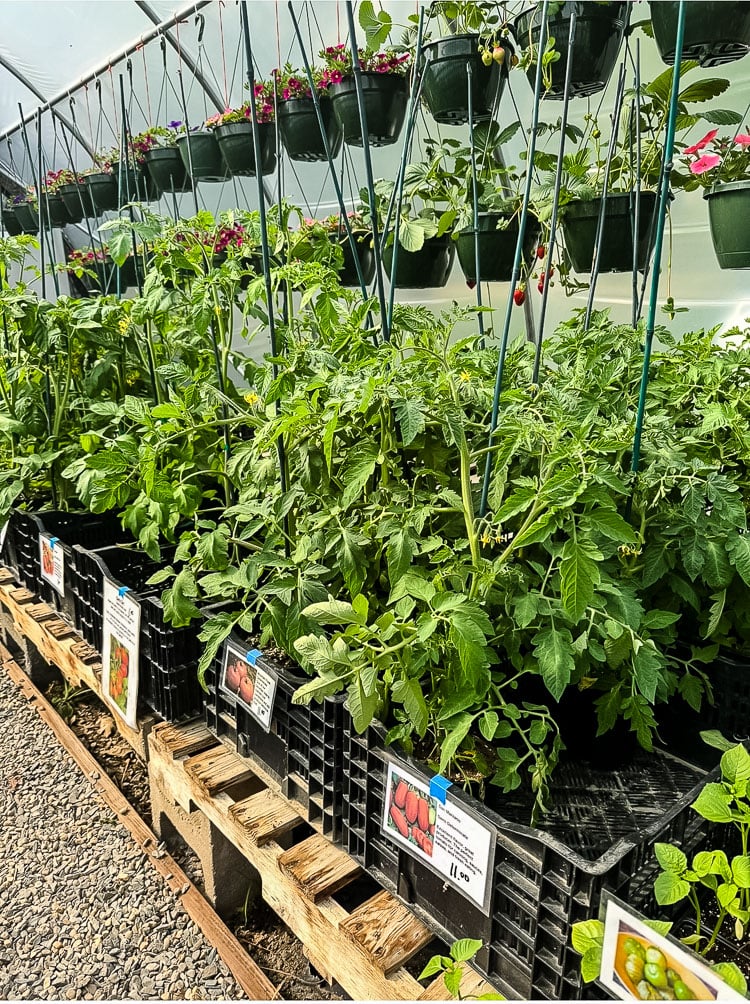
The most “full circle” moment for me, though, was realizing where my plants actually come from. Most of my vegetable plants come from Wake Robin Farm, run by Abigail Wiggins. She is the 14th generation of her family to farm that land.
Think about that for a second: when the original “neighbors” in my neighborhood were planting their survival gardens in 1776, they were likely trading seeds and advice with the Wiggins family. Today, 250 years later, I’m still putting Wiggins-grown plants into my New Hampshire dirt.
It’s not just a hobby anymore; it feels like I’m a temporary steward of a tradition that’s been running since long before our town even had a name.
What Was a Colonial Kitchen Garden?
If you’re picturing something formal and fussy, think smaller. The colonial kitchen garden wasn’t designed to impress anyone. It lived right outside the back door for a reason. You needed to be able to run out in your apron and grab a handful of parsley before the stew burned. Practicality came first, always.
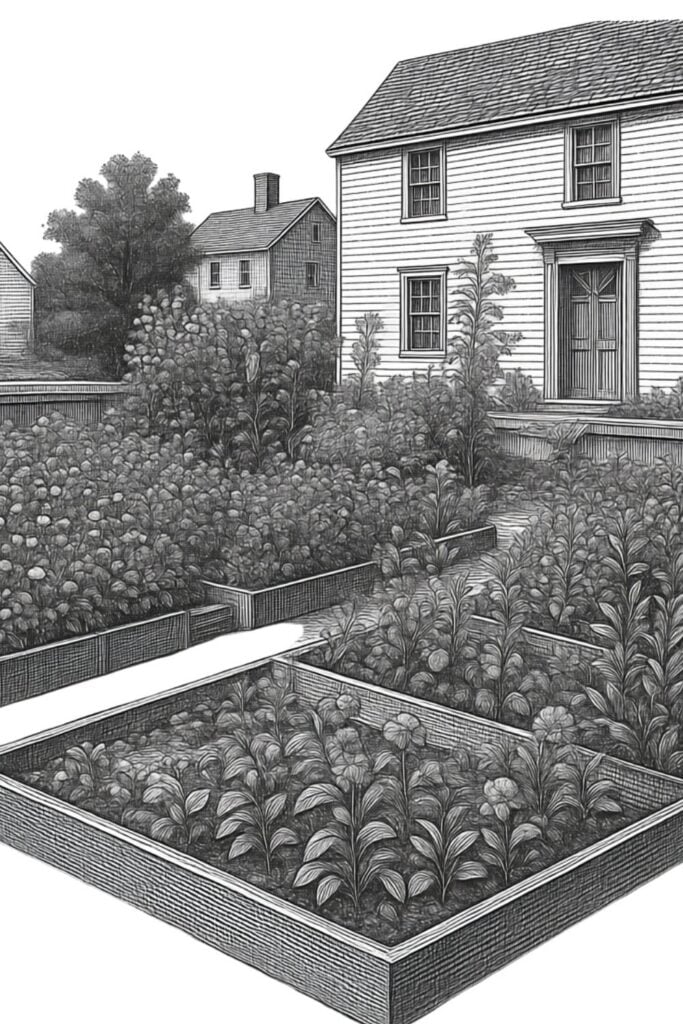
That said, they managed to make them beautiful anyway. Raised beds, simple paths, everything laid out with intention, not because they were following a Pinterest board, but because space and labor were precious. You didn’t plant something that didn’t earn its place.
The philosophy was simple: grow what you use, use what you grow, waste nothing. Flowers, herbs, and vegetables all shared the same beds because separating them into tidy categories was a luxury nobody had time for.
A plant that kept pests away from your carrots and looked pretty doing it? That was a good plant. A flower you could dry and use as medicine over the winter? Even better.
Sound familiar?
That grow-it, use-it, bring-it-inside instinct is exactly what drew me to cottage gardening in the first place. I didn’t know I was following a 250-year-old tradition. Turns out I just thought it made sense… same as they did!
The Space-Smart Philosophy: They Were Doing It First
Here’s what I find genuinely delightful about colonial kitchen gardens: every “trendy” gardening technique you’ve read about in the last five years? They were doing it in 1776. They just didn’t have a name for it.
Companion planting. Succession planting. Vertical growing. Interplanting. These aren’t modern innovations; they’re just old common sense that we forgot for a while and then rediscovered and put on Instagram.
Colonial gardeners trellised their peas and beans vertically on simple structures made from whatever was around: branches, willow, twine. Growing up instead of out when ground space was limited wasn’t a gardening philosophy; it was just logic.

I love to add willow trellises in my garden for exactly the same reason, and I felt very clever about it. Turns out I was about 250 years late to that particular party.
They also interplanted tall crops and short crops together, letting them share space without competing, a tall plant providing a little afternoon shade to something that appreciated it, a sprawling plant filling in the gaps beneath something that grew straight up. Every inch of ground accounted for.
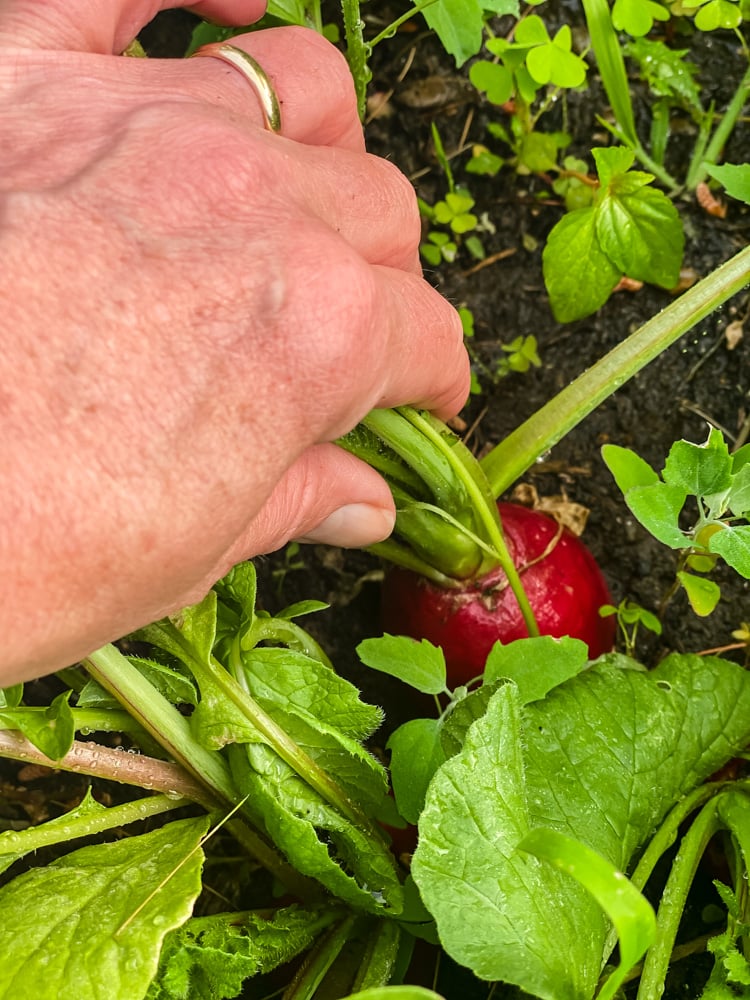
One of my favorite colonial tricks (that I didn’t even realize!) is the radish and carrot combination. Radishes grow fast; you’re harvesting them in about 30 days. Carrots are slow, taking two to three months to mature. Plant them together in the same row, and the radishes are long gone by the time the carrots need the space. Two crops, one spot. Efficient in a way that feels almost modern until you remember it absolutely isn’t.
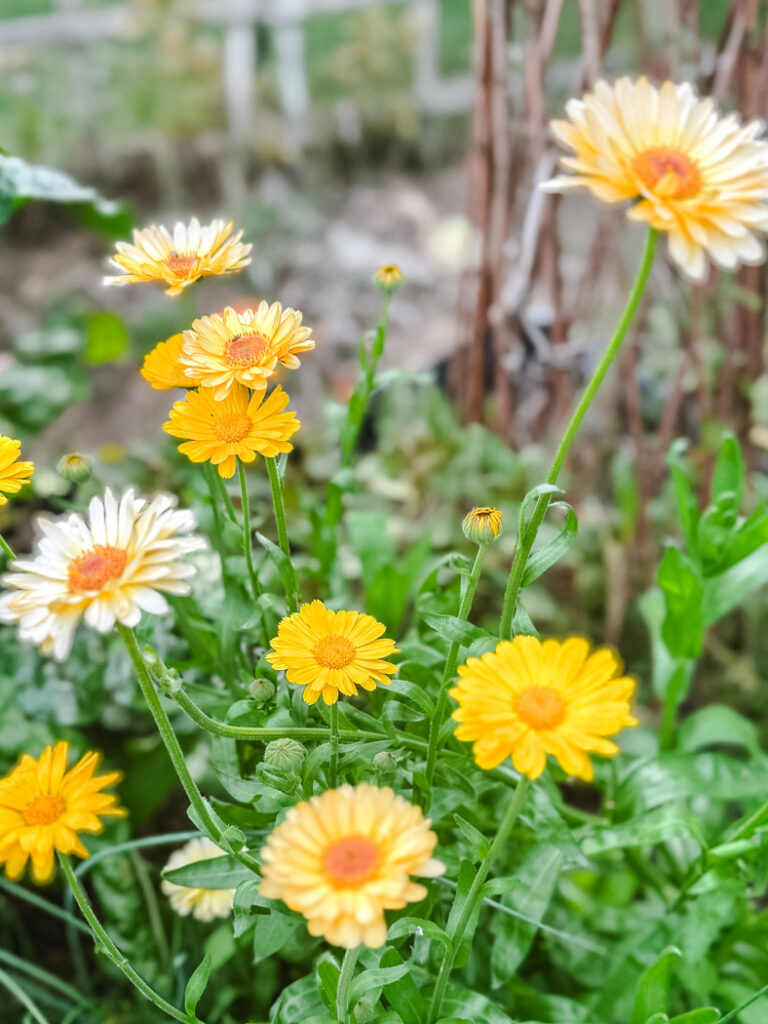
And flowers? Flowers weren’t decorative extras in a colonial kitchen garden; they were working members of the garden. Calendula kept pests away and could be used medicinally. Nasturtiums attracted aphids away from vegetables and were also edible.
Lavender and chamomile pulled double duty as both medicine and something that smelled wonderful near the back door. Beauty was a bonus, not the point, though I’d argue they got both.
That part I relate to completely. My cutting garden isn’t purely practical, but it’s not purely decorative either. Everything I grow ends up somewhere: in a vase, pressed into a frame, dried for a wreath. Grow it, use it, make something beautiful. Same as it ever was!
What They Grew And What’s In My Garden Too
Here’s the thing about colonial kitchen gardens: they weren’t growing anything exotic. No rare seeds ordered from specialty catalogs, no Instagram-worthy varietals.
Just practical, hardworking plants that fed families, healed ailments, and almost accidentally looked beautiful doing it.
Let’s walk through what was growing behind a New England farmhouse in 1776. You might be surprised how much of it is also growing behind mine.
VEGETABLES
Garden Greens, Onions & Leeks
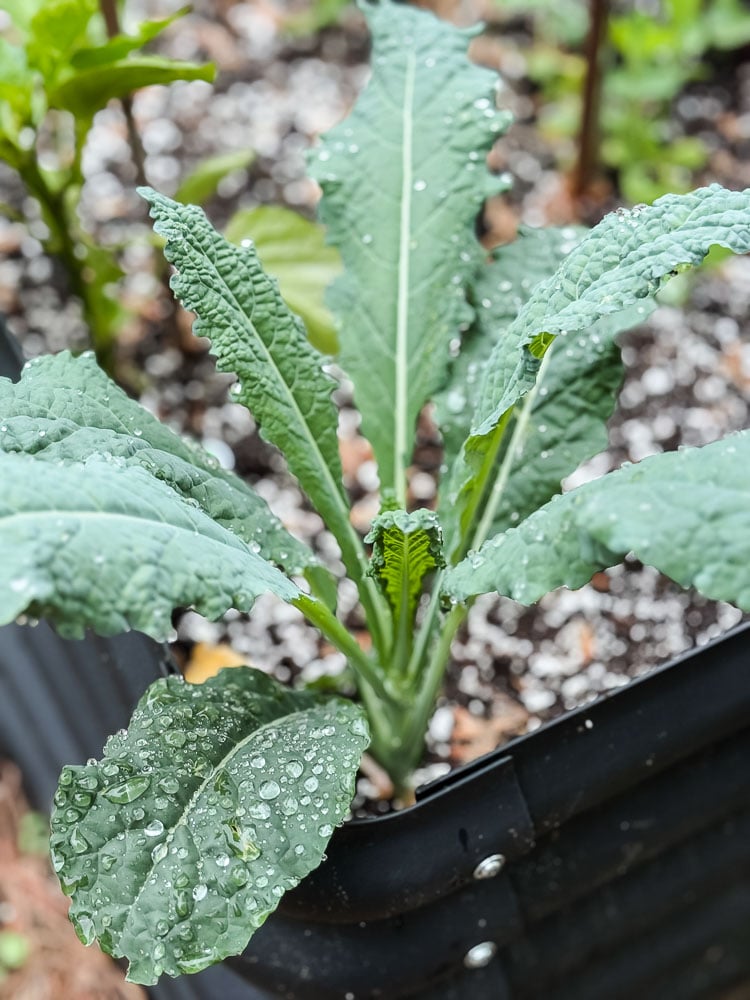
Leafy greens were a colonial staple. Quick to grow, easy to preserve, and one of the first things in the ground each spring.
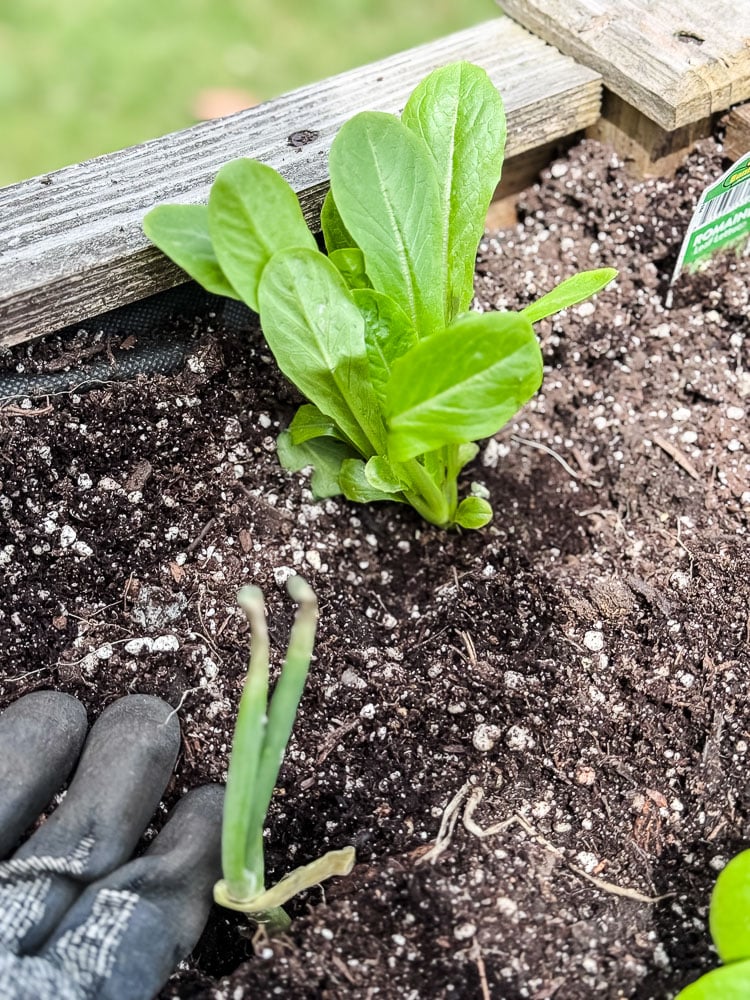
Onions and leeks were equally essential, showing up in nearly every dish and doubling as natural pest deterrents throughout the garden. They were so valuable that many colonial families devoted an entire bed to alliums alone.
I just planted both this spring. Honestly, I didn’t give it much thought at the time, but apparently, I’m continuing a 250-year-old tradition.
Spring Peas

Peas were one of the most important early-season crops in colonial New England, often the first vegetable planted after the last frost. They went up on whatever was handy: branch trellises, willow frames, simple wooden stakes, because vertical growing saved precious ground space. Colonial gardeners understood that instinctively.
I use a willow funnel trellis for mine this year, which felt very rustic and cottage-y. Turns out I was just being historically accurate.
Cucumbers, Squash, Pumpkins & Gourds
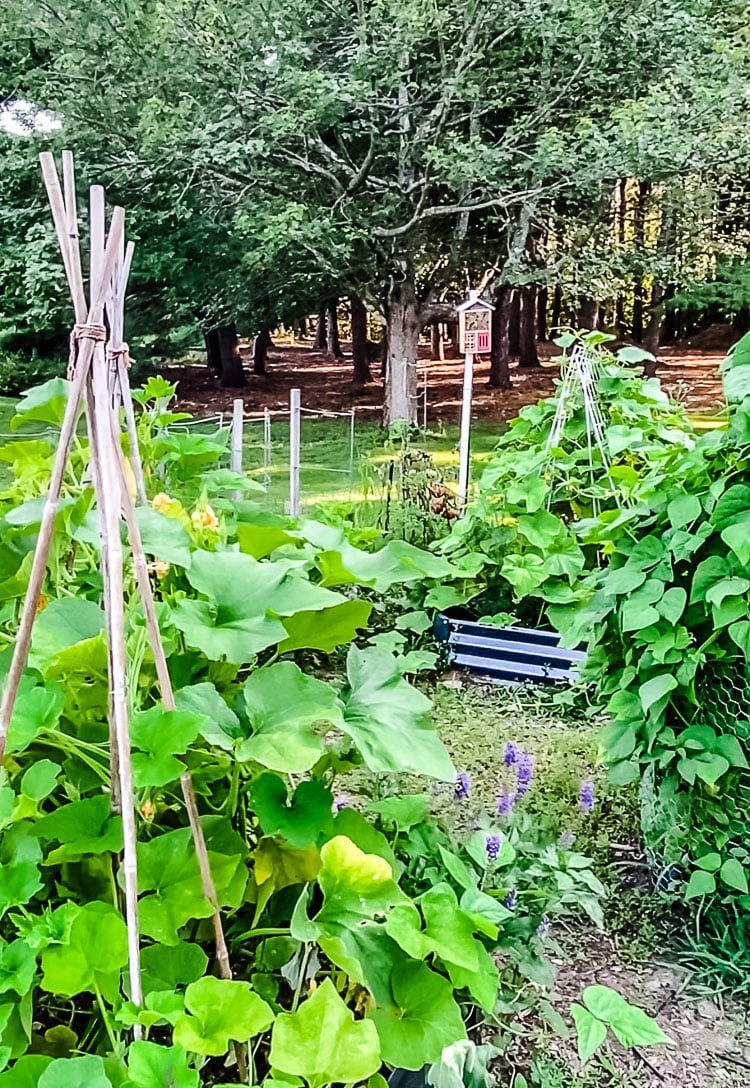
These were workhorses of the colonial garden. Cucumbers were pickled and stored for winter. Squash and pumpkins were grown in abundance. They kept well and fed families through long New England winters, and the seeds were saved year after year.

Gourds had a particularly practical role: dried and hollowed out, they became storage vessels, ladles, and birdhouses.
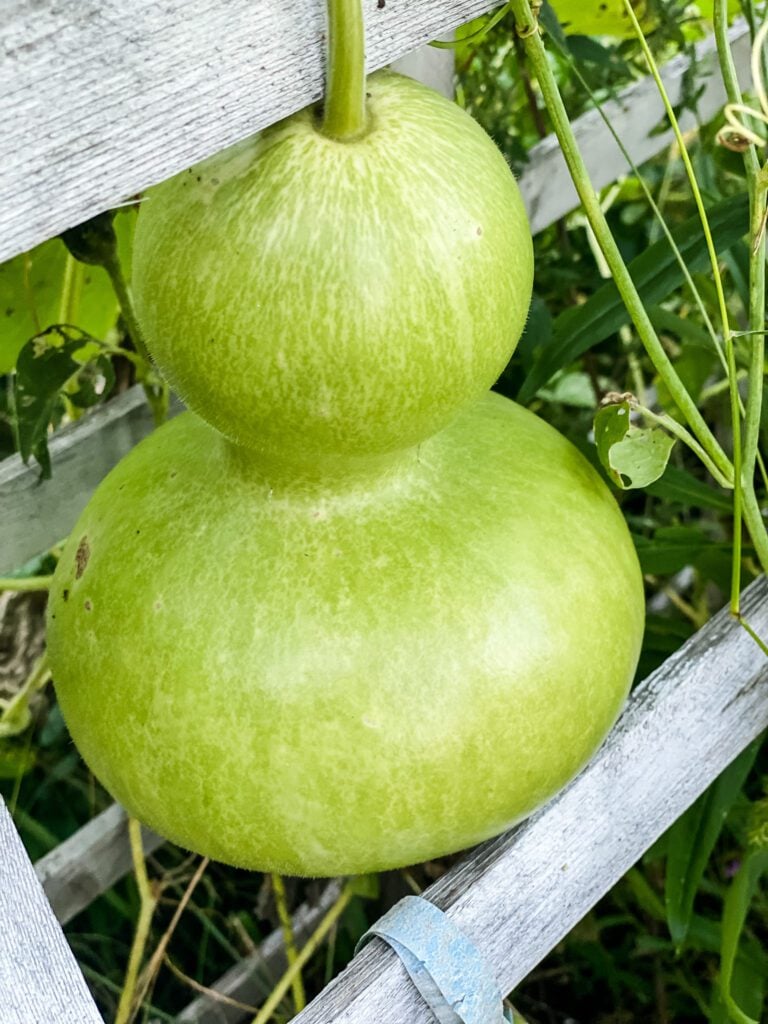
I grow birdhouse gourds every summer. Every single year, I act like it’s a fun novelty. It is not a novelty. It is colonial living.
latest video
The “Must-Haves” That I Cheerfully Skip
While I’ve embraced so much of the colonial gardening philosophy, there are a few 1776 staples that will never find a home in my raised beds: turnips, parsnips, & cabbage…sorry
In the 18th century, these were the ultimate insurance policy. They were hardy, thrived in our rocky New England soil, and stayed edible in a root cellar for months. If you lived in one of the historic homes in town, you likely ate them until you were sick of them!

I do like to grow Brussels sprouts, though! They are actually a really fun vegetable plant to add to your garden (although mine seem to be a trap crop for aphids!).
The Herb Garden: More Than Just Seasoning
Colonial kitchens didn’t draw a hard line between culinary herbs and medicinal ones. Most plants pulled double duty, and the kitchen garden and the ‘physic’ garden (the medicinal herbs) were often the same. If it smelled good and did something useful, it had a place.
Parsley, Sage, Rosemary, Thyme

Yes, exactly like the song. These four were colonial garden staples: parsley for cooking and breath-freshening (truly), sage for preserving meat and settling stomachs, rosemary for everything from flavoring to hair rinses, and thyme as both a kitchen herb and an antiseptic. They were considered essential, not optional.
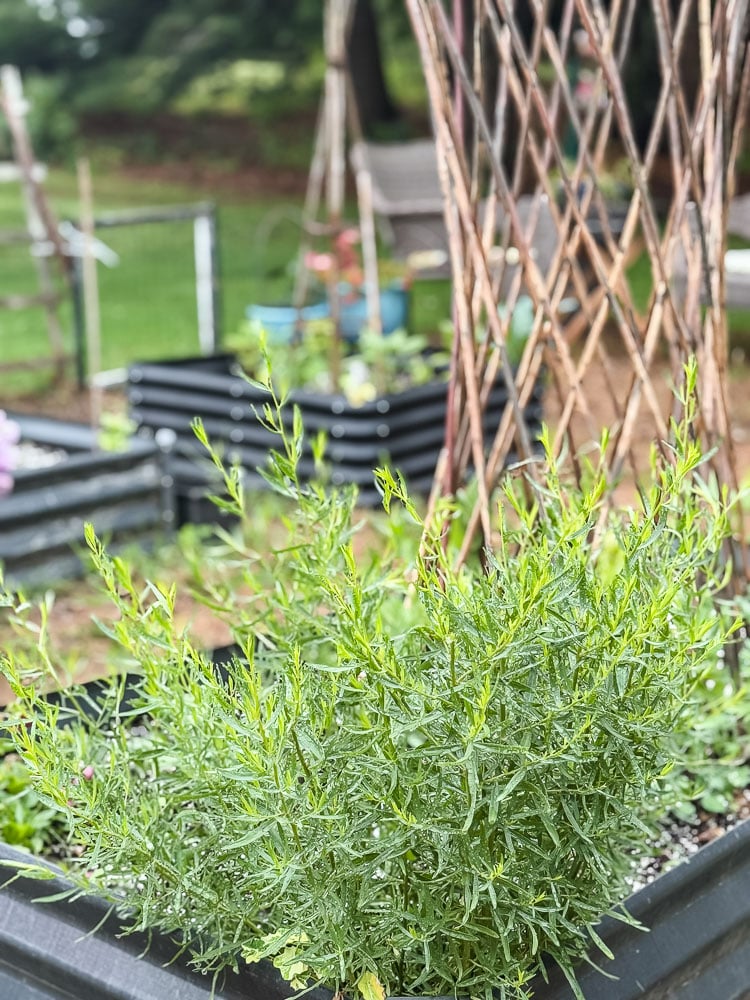
They’re still essential in my garden. Some things don’t need updating.
Chamomile, Lavender, Lemon Balm, Bee Balm & Mints
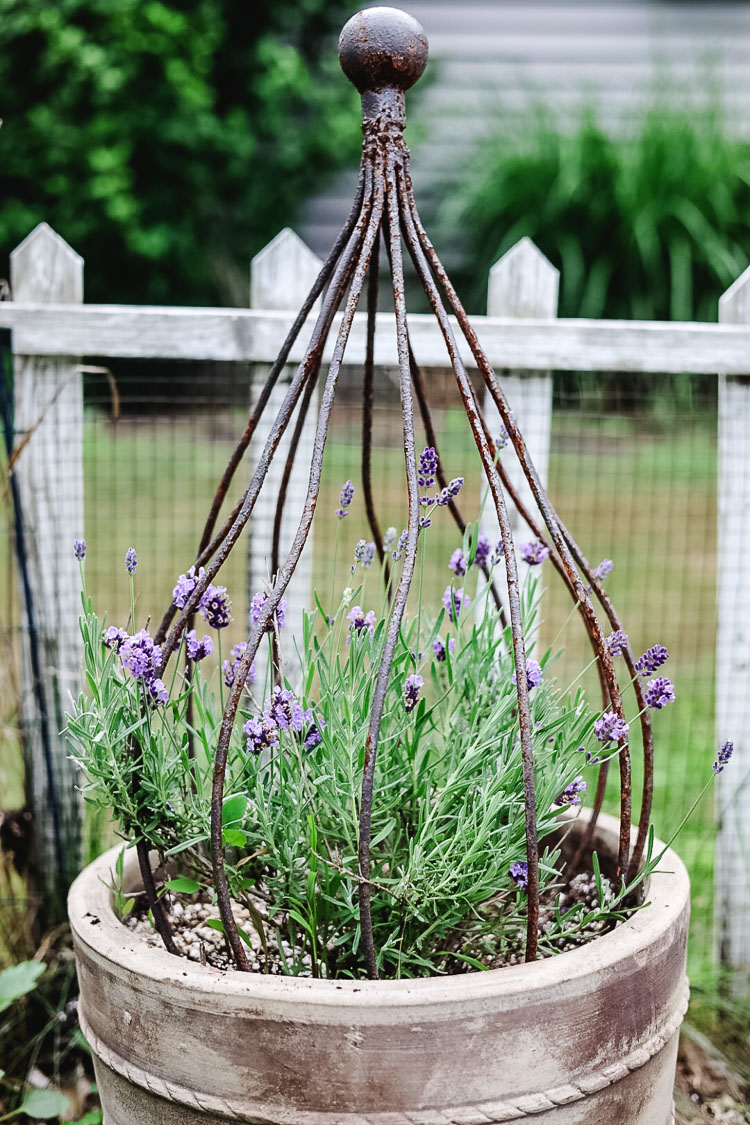
These herbs were the colonial medicine cabinet. Chamomile for sleep and digestion. Lavender for headaches and linens. Lemon balm for anxiety and fevers. Bee balm, a plant native to North America, was used medicinally by Indigenous peoples and quickly adopted by colonists.
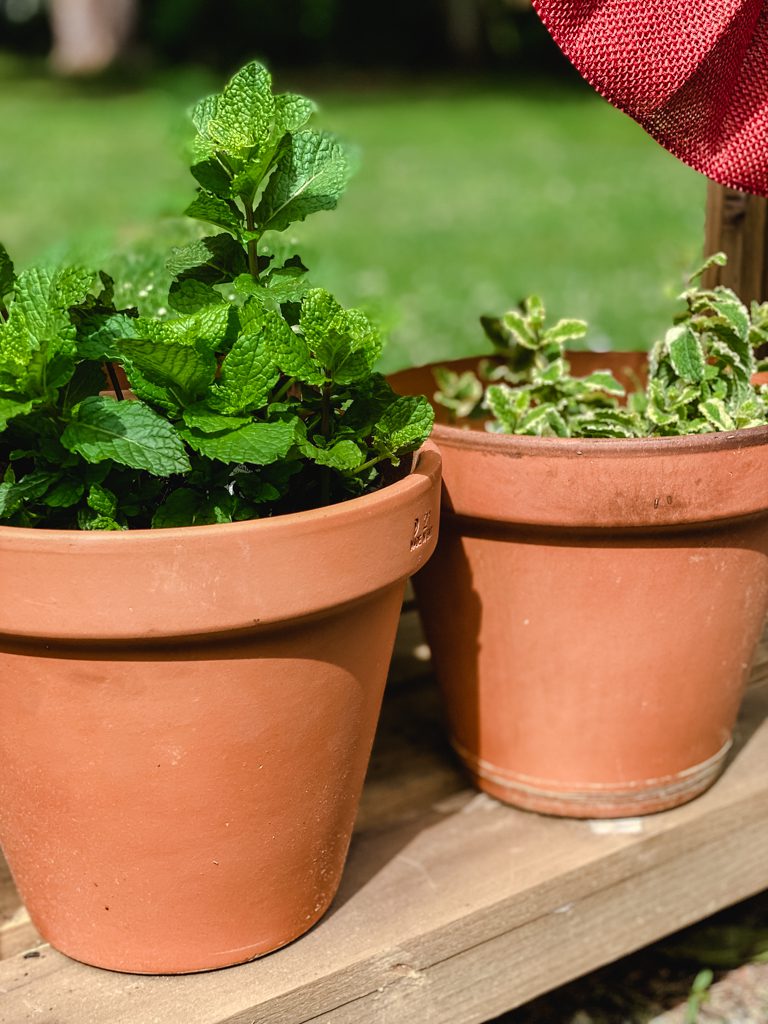
Mint and lemon balm, especially after the Boston Tea Party, made it a patriotic substitute for imported tea. Mint in every form, for everything (it was probably the easiest one for them to grow here).
All of these are in my garden. You have to be careful with mint, and I would recommend only planting it in a big pot, or else it will spread everywhere and quietly take over. Colonial gardeners had to have dealt with the same thing, I’m almost certain.
Flowers: Beauty Was Just the Bonus
Colonial flowers weren’t just decorative; every bloom in the kitchen garden had a job. Beauty was a bonus. Here are a few flowers that we both always have in our gardens.
Calendula
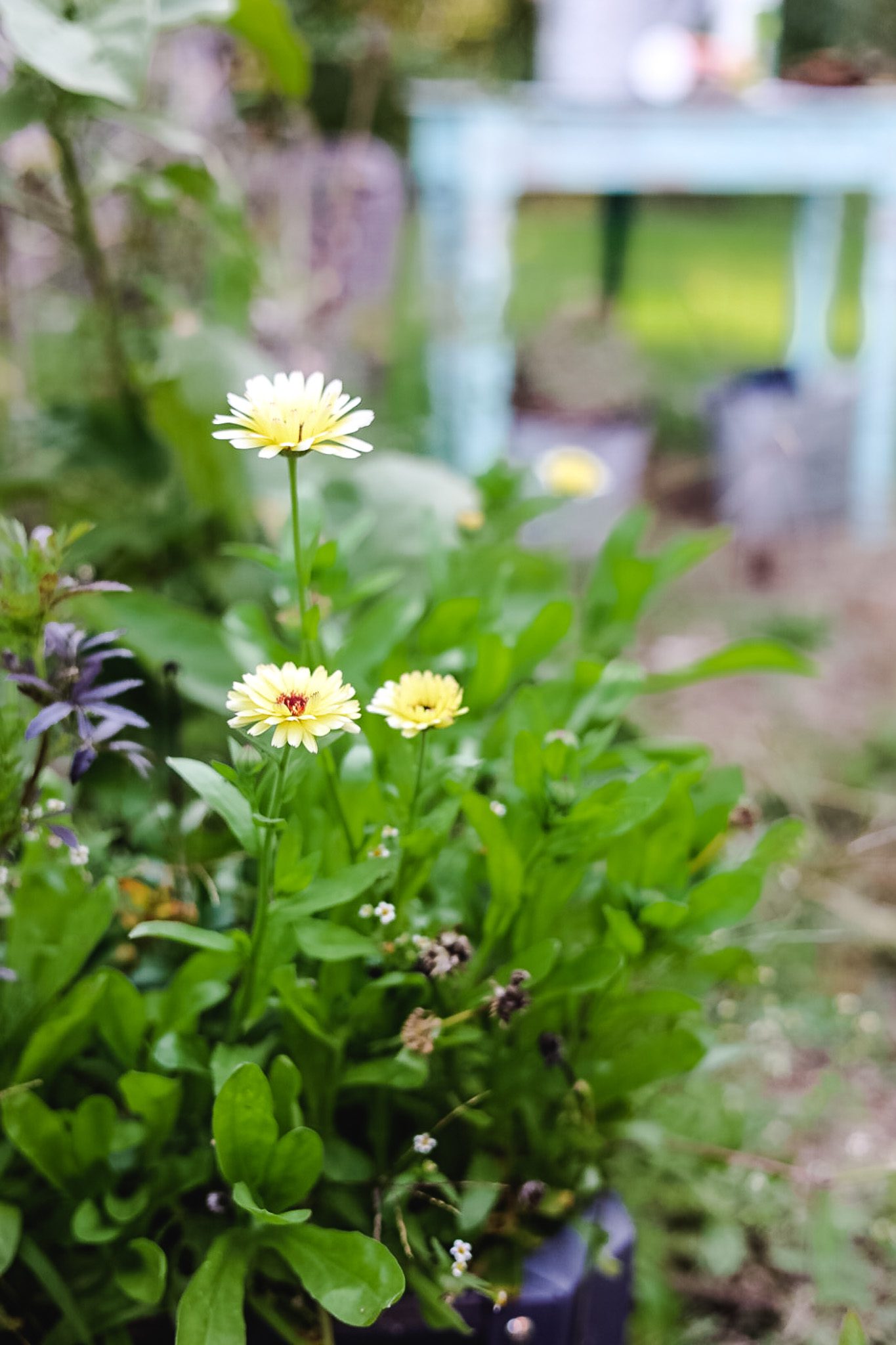
Calendula was one of the most valued plants in a colonial garden, used medicinally as an anti-inflammatory, worked into salves, and also tossed into soups and salads as an edible flower. It’s cheerful, bright orange, and almost impossible to kill, which probably helped its popularity considerably.
It’s one of my favorites in the garden, and I add them to almost every bed in the vegetable section of my cottage garden. I grow it for the color. They grew it to heal things. I respect that more.
Marigolds
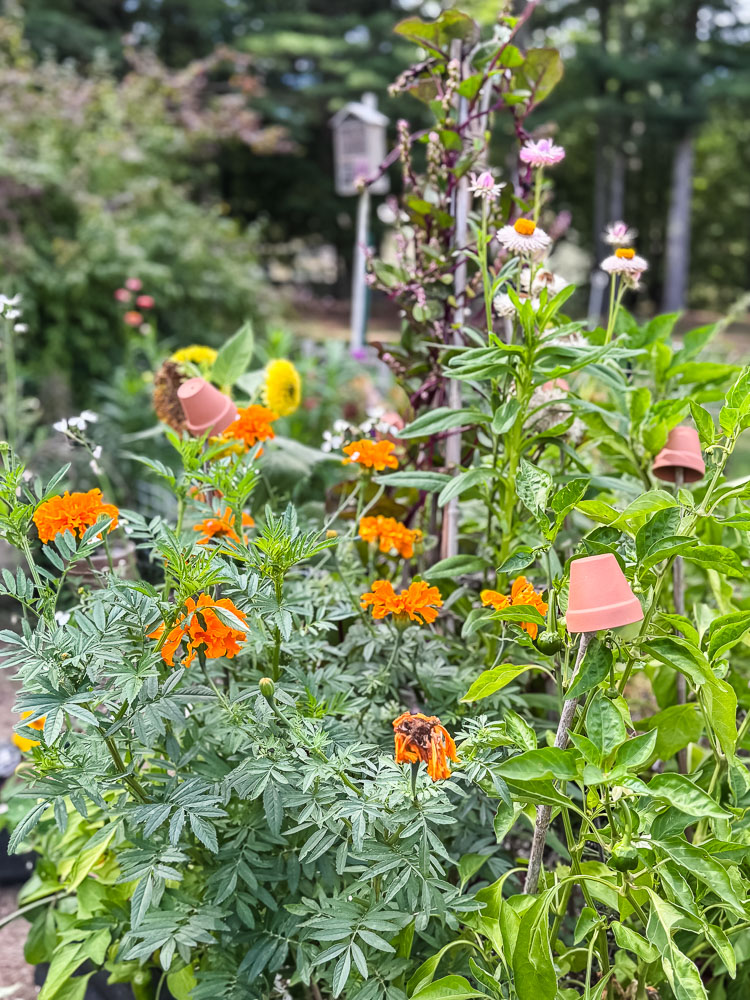
Marigolds have been earning their place in New England gardens for centuries. First adopted by English gardeners, and eventually a fixture in colonial kitchen gardens, where they were planted around vegetables to naturally deter pests. And those cheerful yellow and orange petals weren’t just pretty, they were boiled down to make natural dye, producing warm golds and yellows for fabric and yarn.
I grow marigolds every summer without overthinking it. They’re cheerful, they’re tough, and they make the whole garden look like it has its act together even when I absolutely do not. Apparently, New England gardeners have been counting on them for exactly that for over 250 years. Some things just work.
Sunflowers

Sunflowers are actually one of the oldest cultivated plants in North America. Indigenous peoples grew them long before European colonists arrived, and by the 1700s, they were showing up in New England gardens too. Colonists grew them for the seeds, pressed them for oil, and used the petals as a dye. Practical, as always.
I grow them because they make me unreasonably happy and because a sunflower in a mason jar on the kitchen table is one of the simplest, most satisfying things in the world.
The colonial gardener grew them to eat. I grow them to arrange. We both ended up with sunflowers, so I think we’re both right.
Nasturtium
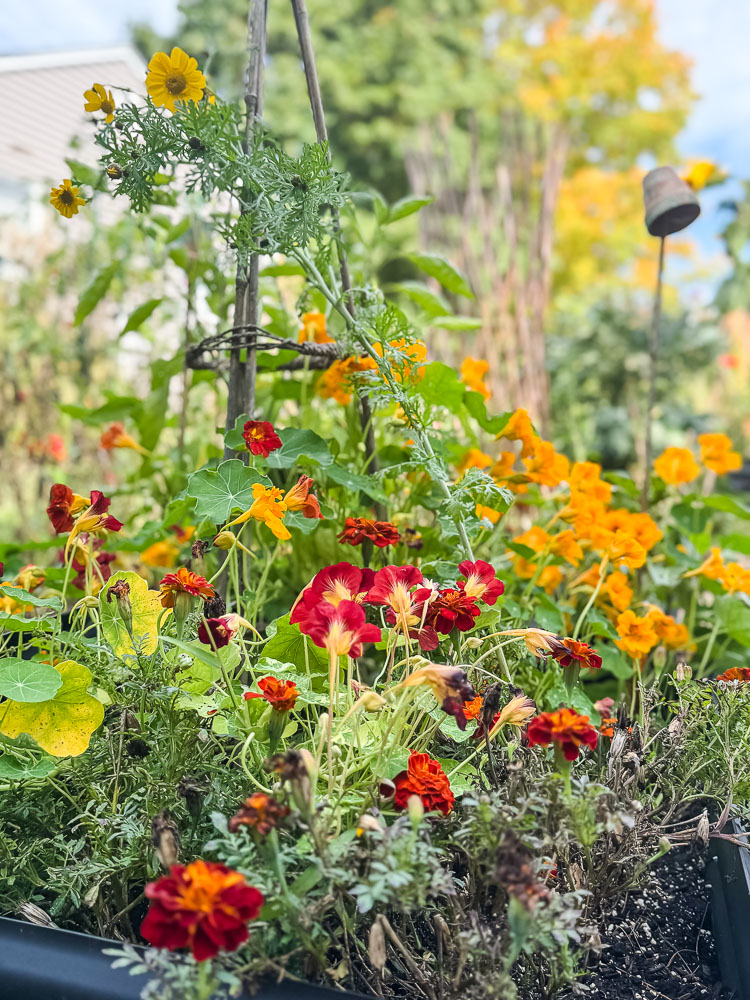
Here’s my favorite detail in all of this: we call them nasturtiums, but colonial gardeners knew them as Indian cress because every part of the plant is edible and peppery, much like watercress. The flowers, the leaves, the seeds. They were grown for food, used as a garnish, pickled as a caper substitute, and valued for their ability to repel aphids and attract beneficial insects.
We grow them now mostly because they’re beautiful and cheerful and practically grow themselves. But the colonial kitchen gardener would recognize exactly what we’re doing… and probably wonder why we stopped eating them.
What They Didn’t Grow (That Will Surprise You)
For all the overlap between colonial gardens and modern ones, there are a couple of glaring exceptions, and if you’re a New Englander with a vegetable garden, you’re going to find this deeply ironic.
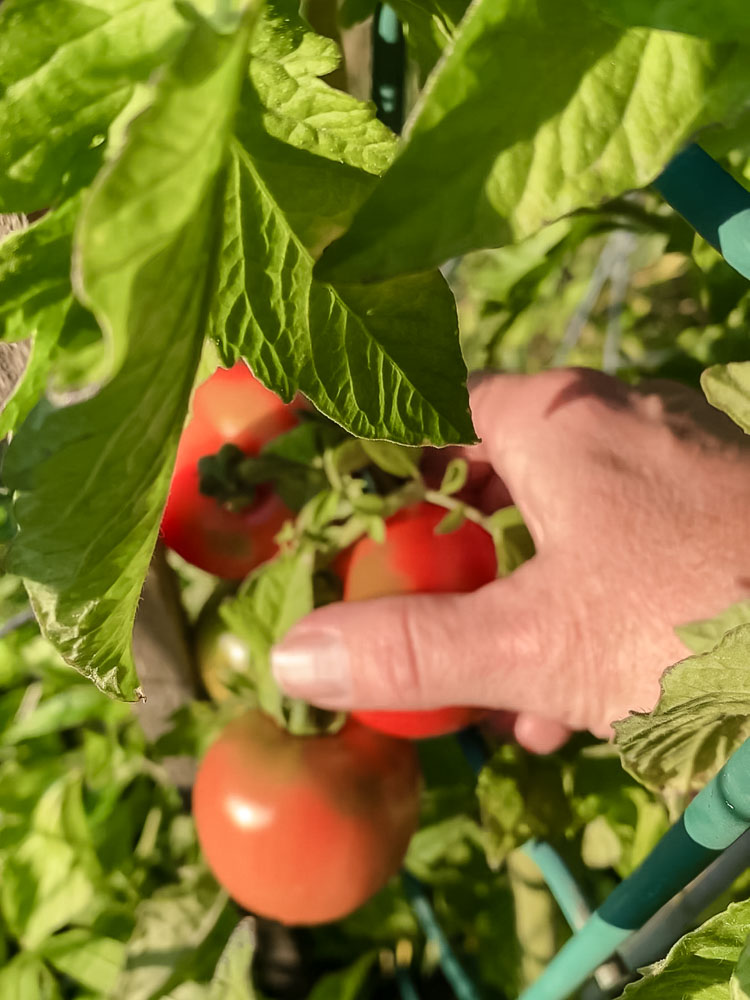
Tomatoes & Peppers. Colonial Americans knew about them but didn’t really eat them. They’re part of the nightshade family, and for a long time were widely believed to be poisonous. The idea of a New Englander not growing tomatoes feels almost illegal today.
Fast forward 250 years, and both are absolute staples of the summer garden up here. I grow both every year, and I consider a good tomato harvest a personal victory. The colonists didn’t know what they were missing -though to be fair, they were busy with other things.
Bringing It All Home
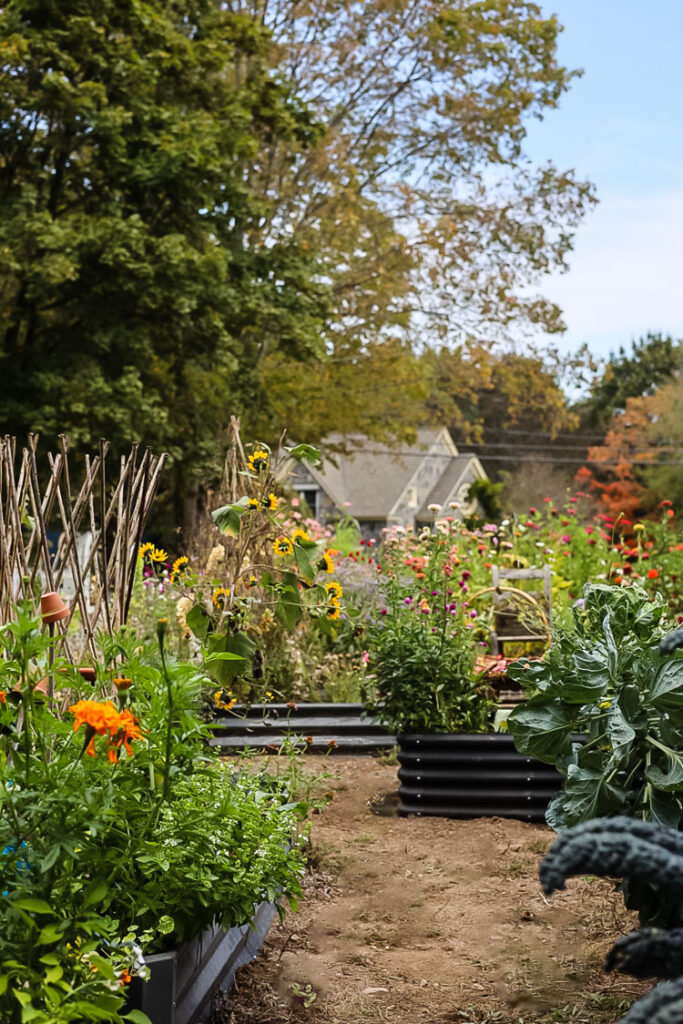
Colonial kitchen gardeners grew with intention. Every plant had a purpose, every inch of soil was used, and nothing was wasted. They weren’t gardening for aesthetics or Instagram; they were gardening because it mattered.
And yet here we are, 250 years later, still planting the same herbs, the same flowers, the same vegetables in the same New England dirt. Maybe the intention has shifted a little. I’ll admit I’m more motivated by a pretty arrangement than preventing scurvy, but the instinct is the same. Grow it. Use it. Bring it inside. Make something beautiful.
That’s the thing about a real garden. It connects you to something bigger than a single season.
I’d love to know if any of these colonial staples are growing in your garden right now. Drop a comment and tell me what’s in your beds this year!
I hope you enjoyed reading this, because I had fun writing it!
xo, Jennifer
Cottage Garden
Favorite Products
Shop my gardening favorites! Raised beds, plant supports, & tools to make your garden grow.
Love projects like this? Don’t miss out! Join my newsletter family for more cozy, budget-friendly DIY ideas delivered right to your inbox. You’ll get exclusive tips, early access to tutorials, and all the inspiration you need to make your home feel handmade and heartfelt.



How interesting and informative especially for a South Florida gal whose town has only been in existence since 1915. Has your family been in that area for a long time? I currently have scallions and a few herbs plus marigolds but our flower/veg season is nearing its end. My son has started cucumbers, squash and watermelon but not likely to survive the heat and rains of summer.
Oh, my family doesn’t date that far back, they came over in the early 1900’s. It’s so interesting hearing how different gardening is in the various states around America.
Great article Jen. You have given this article alot of thought!! You respect history and the land you live on. Your ancestors garden for neccesity , you garden for satisfaction and the beauty of it. I just have a little garden, plant tomatoes, green beans, red and green peppers and cucumbers. I also have a Herb garden with Parsley, Rosemary, Sage, Thyme, Chives, Lemon Balm and Lavender. I also have 3 Strawberry plants..whoever gets to them first..me or the birds..lol!! I also have a lovely Perrenial Garden that I enjoy tending.. it makes me feel good and satifies
My Creative Soul. Gardeners unite!!
Yes, gardeners unite for sure!! Oh, my back is killing me today-I have been dumping bags of soil & compost in my raised beds and planting! And funny side story, I was reading about the benefits of lemon balm and it is said to help anxiety…so I’ve been munching on leaves while I’m gardening!! My son graduates college this weekend and I have so much to get done before Saturday so my mind is in overdrive!!
Loved the history lesson, so wonderful to know that some things never change. We have a small backyard but we pack in a lot, we have the cabbage and nix the Brussels sprouts. I am glad that “modern” gardeners have utilized tomatoes and peppers, couldn’t imagine my garden or pantry without them. Something in your article inspired me, I have marigolds and sunflowers growing but I’m going to research natural dyes, what a fun technique to learn. Thanks!
I started researching the natural dyes…but I can’t even sew a button so I don’t know what I would do with the fabric!! But it looks so cool.
Jennifer, this was a great read! As a Massachusetts native, I loved hearing about Colonial gardens, and tried to incorporate many of these plants in my gardens over the years, as well. As a child we often took school field trips to Sturbridge Village and the gardens were always my favorite spot. Now I live in Arizona to be closer to my brother and sister-in-law, and my beautiful green thumb has turned brown… The soil is like cement, the heat and sun are devastating, and the water situation makes me feel guilty as I fill my watering cans. I’m still trying to adapt, after almost 20 years, and as a tough New Englander, I will find something I can grow well! Actually I have trumpet vines and a big butterfly bush, lilacs and a forsythia, but I would love to have cutting gardens like yours. Dig in compost! Use the rainbarrels! Work, work, work!! It’s always a pleasure to work in any garden, as you know. Thanks for listening!
I have friends that live in AZ and see what the soil looks like!! I guess I can’t complain about digging up granite rocks all the time.
It was a wonderful read! I learned a lot about how each plant, was used back then and now..very interesting! Loved the pictures you added also..❤️