

A practical, personal guide to building a home you love through thrifting, making, growing, and a lot of intention.
Quick Summary
- What: A personal guide to my real decorating philosophy and the six pillars I’ve lived by since my very first apartment.
- Who it’s for: Anyone who wants a beautiful, soulful home but is tired of trends, hauls, and feeling like they have to start from scratch every season.
- The six pillars: Shop secondhand first · Make it before you buy it · Bring the outside in · Shop your home first · Buy slow, buy intentional · Embrace imperfect & collected
- The bottom line: A beautiful home isn’t about following trends or having a big budget. It’s about building slowly, buying intentionally, and filling your space with things that actually mean something to you.
There is a photo that exists somewhere, or at least a very vivid memory, of a girl in her twenties walking down a city street with a wicker rocking chair held over her head.
That girl was me.
The chair had come from the antique shop down the street from my first adult apartment. It was probably meant for a porch. It was definitely not practical for a small city apartment. I did not care even a little bit. I loved it, it was mine, and I was getting it home one way or another, overhead if necessary.
That rocking chair was my very first furniture purchase, and looking back, it told me everything I needed to know about how I was going to decorate for the rest of my life.
My apartment was almost empty at the time. I had the basics: a bed, a few essentials, and now I had a wicker rocker that belonged on a wraparound porch. But here’s the thing: that chair made me happy every single time I looked at it. It had character. It had a story. It felt like me in a way that nothing from a furniture showroom ever could have. Then I bought a dining set from a couple moving out of the building…
From that moment on, I was hooked. Not just on thrifting, but on the whole approach: the hunt, the find, the creative challenge of making something unexpected work beautifully in a space. When I was working in Boston a few years later, the visual merchandising department at my job would hold sales on their old styling inventory, and I would leave with armfuls of vintage galvanized metal buckets, interesting props, and all kinds of wonderful pieces that nobody else knew what to do with. It made for an interesting train ride home!! I’d get back to my apartment and arrange them on shelves, frame prints from art calendars in thrifted frames, layer things together in ways that felt collected and personal and completely mine.
I was mixing old and new before I even had a name for it. I just knew it felt right.
Flowers were part of it too, almost from the beginning. My mom was an avid gardener, and our home always had fresh blooms in it growing up, nothing fancy, just whatever was coming in from the garden. That feeling of a vase of flowers on a table became one of my non-negotiables. Even now, a simple bunch of tulips from Trader Joe’s makes me genuinely happy in a way that nothing from a home decor store ever quite matches.

Hi, I’m Jennifer. I believe the best homes tell a story-and mine is written with found treasures. For me, thrifting isn’t just about saving money; it’s about curating a home with soul, character, and a bit of New England history, one secondhand find at a time.
How I Really Decorate: My Method for a Timeless, Soulful Home
I started this blog in 2019, and if you scroll back far enough, you’ll find a different version of it and, honestly, a different version of me. Faux florals, a different aesthetic, still finding my footing. But in early 2023, something shifted. I stepped away from artificial flowers entirely and leaned fully into real, garden-to-home living: growing my own cut flowers, bringing the outside in, letting the seasons guide what my home looked and felt like. I have never once looked back. That shift didn’t just change my content. It changed my whole relationship with my home.
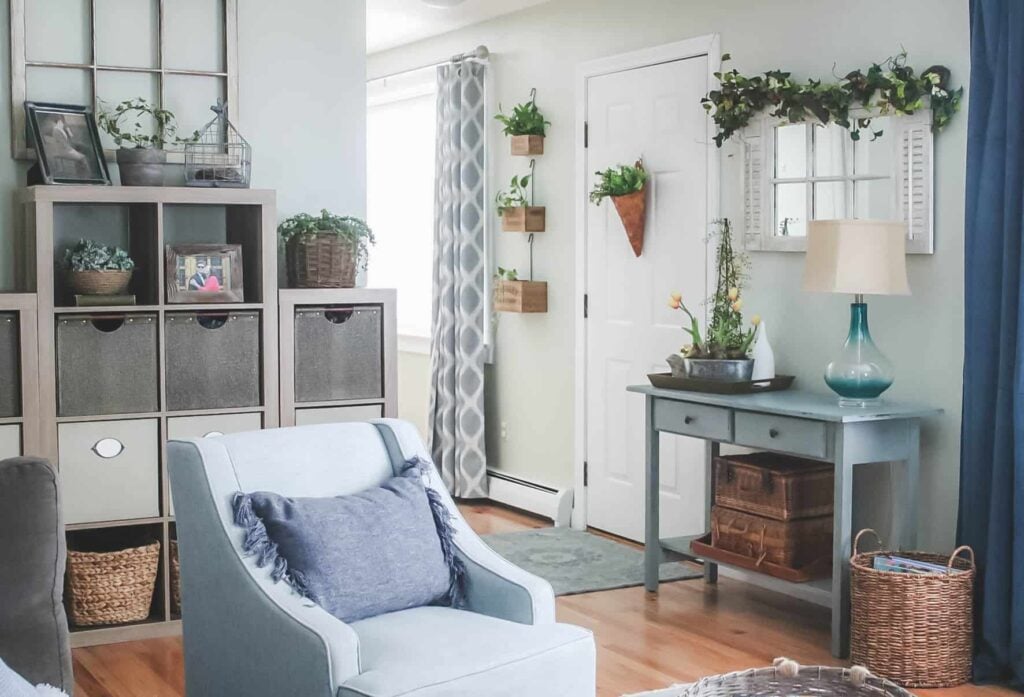
And somewhere in all of that, the wicker rocker, the Boston styling sales, my mom’s garden, the slow evolution toward something that feels completely and authentically mine, a method emerged. Not a set of rules I read in a decorating book. Just a way of approaching a home that I’ve been quietly living by my whole adult life.
This post is my attempt to put it into words.
I call it Style With Soul. Here’s how it works.
This post may contain affiliate links, which means we receive a small commission if you purchase through our links. See our disclaimer page for more information.
Pillar #1: Shopping Secondhand First
If you’ve spent any time here at Cottage on Bunker Hill, this one won’t surprise you. But I want to explain why it’s always my first instinct because it’s not just about saving money, although that’s a very happy side effect.
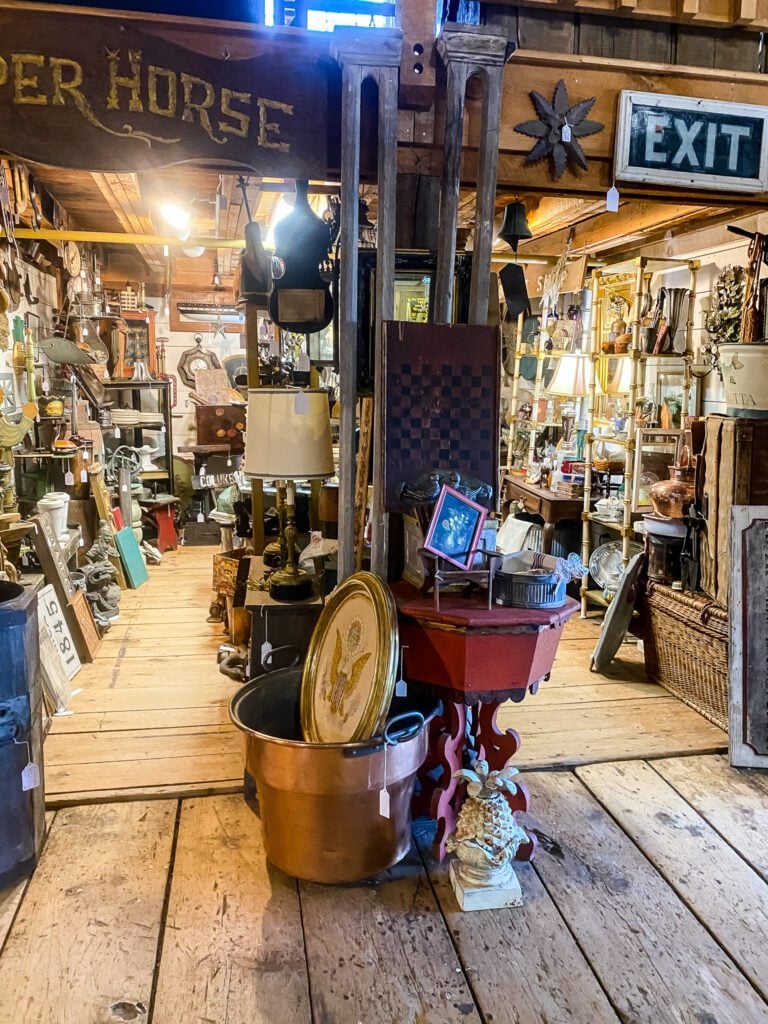
It’s about the hunt. The thrill of walking into an antique store or a yard sale with no idea what you’re going to find and walking out with something that makes your heart sing. It’s about the character that only comes from a piece that has already lived a life. And honestly? It’s about quality, because here’s a secret that took me a while to fully appreciate: old furniture is almost always better made than new furniture.
I’m not exaggerating. The side tables, nightstands, corner hutch, and console table in my home? Every single one came from a yard sale, free, or a thrift store. Every one has been painted, refreshed, and made completely my own. I was doing this long before I ever wrote a word about it on this blog. It was just how I furnished a home, because it was the only approach that made sense to me.

My favorite example is a small cabinet I found in absolutely terrible condition. It had two doors, a drawer, and the most beautiful original hardware. I paid $15 for it. I painted it in two tones of neutral chalk paint and stenciled fleur de lis on the doors. It lives in my bedroom now as a nightstand, and it is genuinely one of my favorite pieces in the entire house. Nobody who sees it would guess it cost fifteen dollars and a Saturday afternoon. That’s the magic.

But here’s what I really want you to understand about thrifting for furniture: you are almost always getting better quality than anything at a comparable price point new. That $15 cabinet? Solid wood. Real hardware. Built to last another fifty years with a little love. The $79 nightstand from a big box store? Particleboard and veneer that will start to peel within a few years. When you buy secondhand wood furniture, you are genuinely buying up in quality, not down. You’re just buying smart.
What to Look For When Thrifting for Furniture

Not every secondhand find is a diamond in the rough. Some are just rough. Here’s what I look for when I’m hunting:
- Solid wood: Knock on it, feel the weight of it, look at the edges. Real wood has visible grain and feels substantial. Particleboard is light, has a hollow sound, and often shows that telltale layered edge. Solid wood can be painted, sanded, and refinished. Particleboard cannot.
- Good bones: Is it structurally sound? Do the drawers open and close? Do the doors hang straight? Wobbly joints can often be fixed with wood glue and a clamp — but the basic structure needs to be there. Look past the surface finish entirely and ask: is this piece well-made?
- Interesting hardware: Original hardware on old furniture is often beautiful and completely irreplaceable. Brass pulls, ceramic knobs, cast iron hinges-these details are what give a piece real character. Even if the hardware needs cleaning or polishing, don’t overlook a piece just because it looks dull. A little Brasso goes a very long way.
- Interesting shapes: I am always drawn to a piece with an unusual silhouette: a curved leg, an unexpected proportion, a detail that you just don’t see in new furniture anymore. These are the pieces that become conversation starters in a room.
- Ignore the finish entirely: Truly. The color, the stain, the outdated glaze none of it matters. Paint is cheap, and chalk paint requires almost no prep. I have never once passed on a piece with great bones because of a bad finish. That’s always the easiest thing to fix.
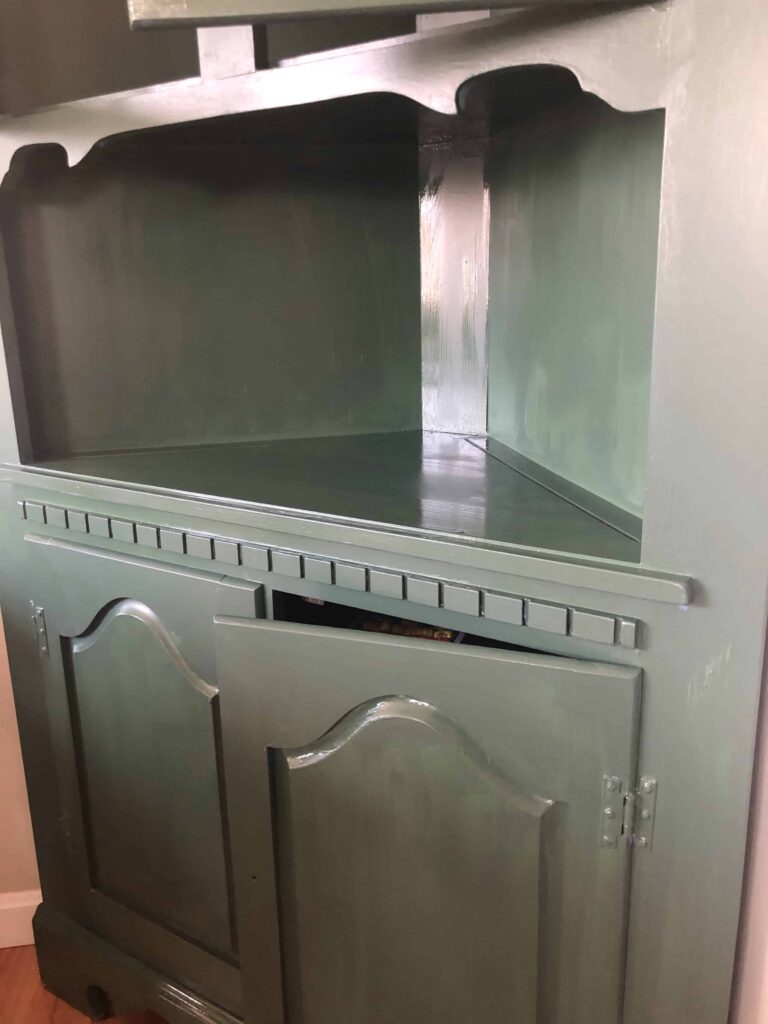
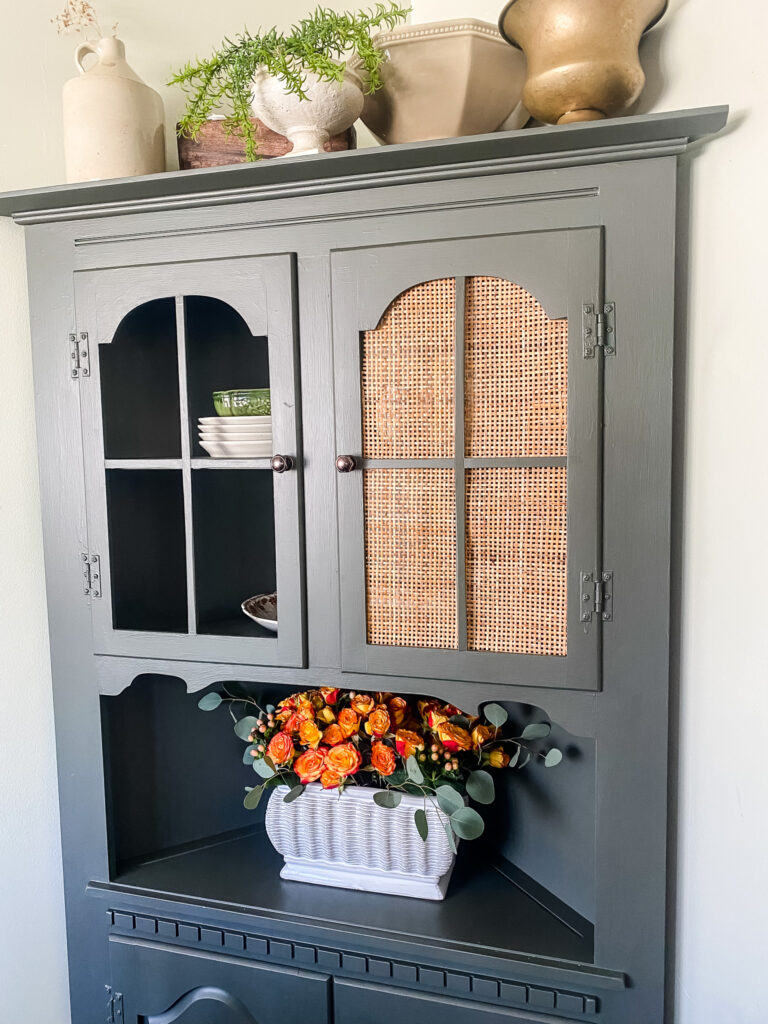

Another favorite is the corner hutch in my small dining area. And this one has an origin story I love. It was left behind by the previous homeowners, sitting in the basement when we moved in. It was stained in that very dark, very 1980s wood stain that you either know exactly what I mean or you’ve never been to a New England estate sale.
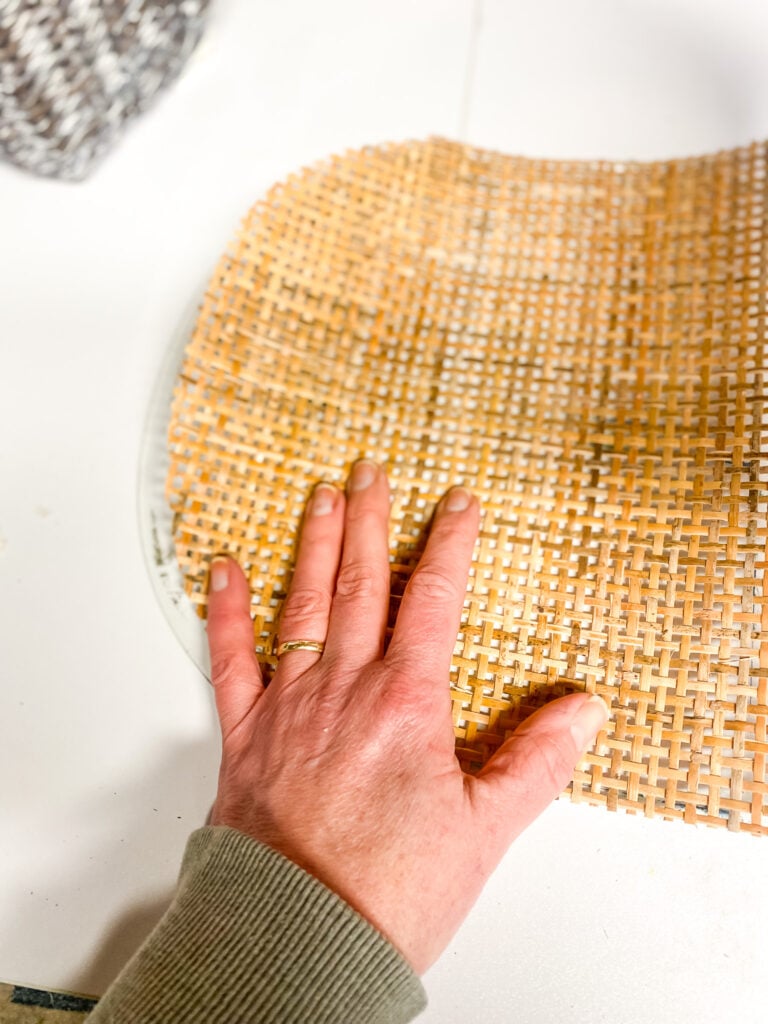
Over the past eight years, it’s been a few different colors as the room evolved around it, but right now it’s living its best life in a deep, moody green, and I am absolutely smitten. To bring it into the present a little more, I also replaced the original glass panels with caning, which gave it that collected, slightly vintage feel that I love so much.
A piece that came with the house, costs nothing, and is now one of my favorite things in it. That’s the whole story right there.
The thrift store is not a consolation prize for people who can’t afford new furniture. It is a creative playground for people with a good eye and a little patience. And once you start seeing it that way, you will never walk past a yard sale without stopping again.
Trust me on this one.
Pillar #2: Make It Yourself
I am a thrifty New England Yankee through and through. And if there is one phrase that has quietly guided my entire creative life, it’s this: I can make that myself.
It started with necessity and became a philosophy. When I fell in love with the gorgeous textured vases and vessels at Pottery Barn and Restoration Hardware, the ones with that layered, old-world, practically-pulled-from-an-Italian-farmhouse finish I did what any self-respecting Yankee would do. I looked at the price tag, said absolutely not, and went to figure out how to make one.
My very first DIY dupe tutorial on this blog, back in 2021, was exactly that: a thrift store glass vase transformed with joint compound and layers of chalk paint into something that genuinely looks like it belongs on a Pottery Barn shelf. It costs under $10 to make. The original runs close to $100. That vase is still in my home today, sitting on my TV console, and I love it just as much now as the day I finished it. You can see exactly how I made it right here.

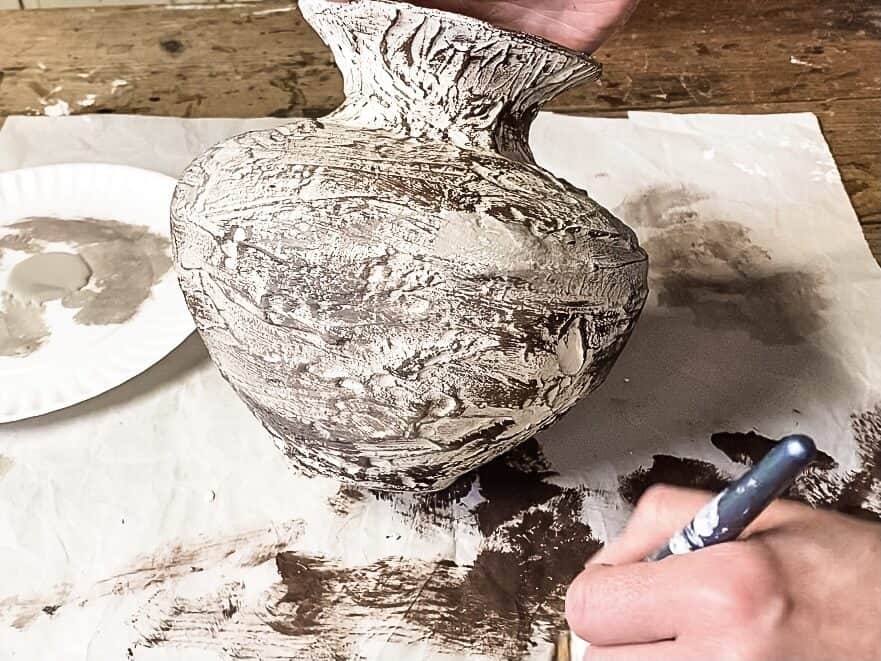
That project was a turning point for me. It was the moment I realized that the gap between “things I love at expensive stores” and “things I can actually have in my home” was almost entirely closable with a thrift store find, a little paint, and a willingness to try. The Pottery Barn aesthetic wasn’t out of reach. It was just waiting for me to figure out the technique.
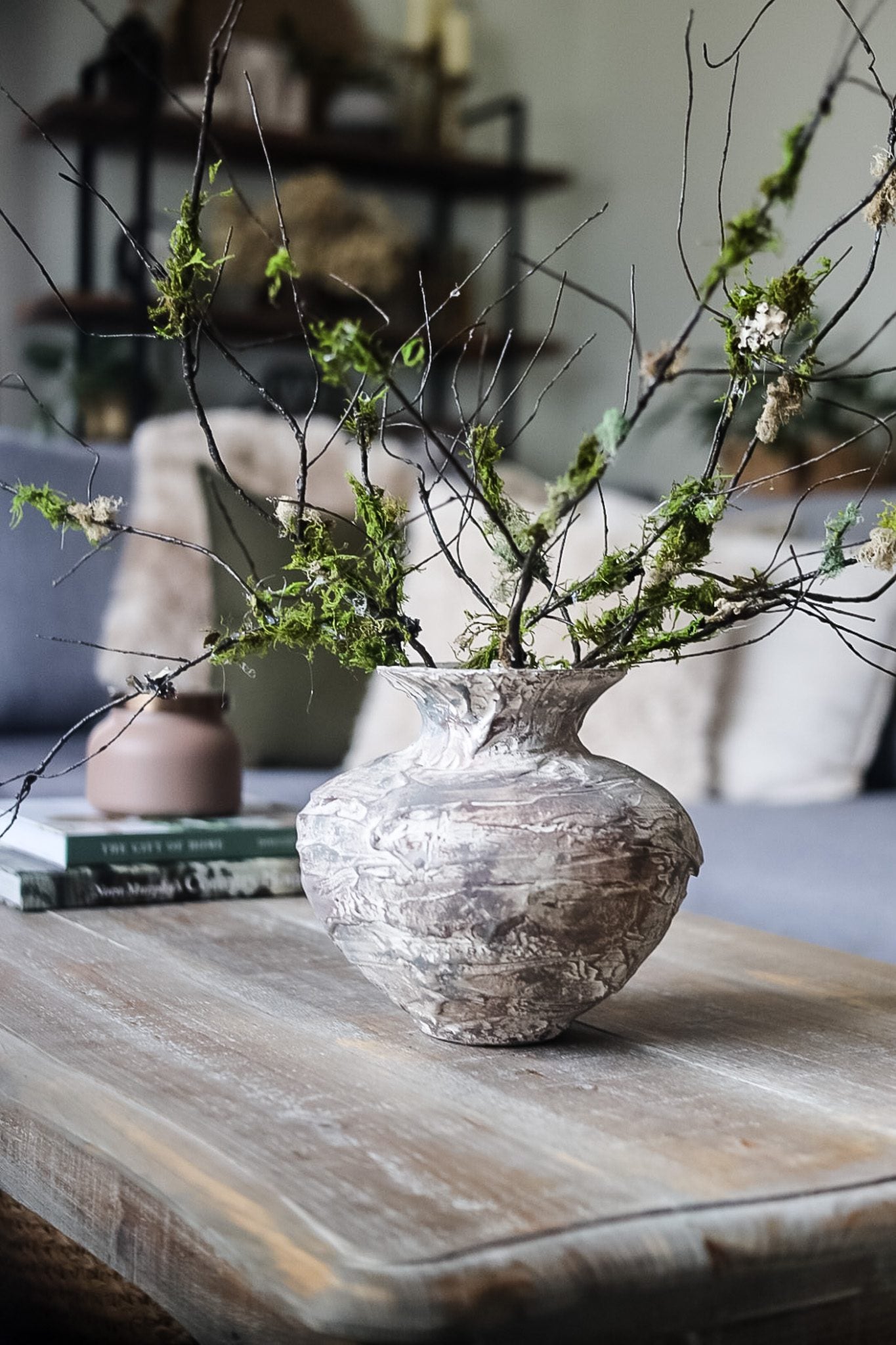
And that’s really what this pillar is about. Not just saving money, although yes, obviously, happily, but the deeper satisfaction of making something yourself. There is a specific kind of pride that comes from looking at a piece in your home and knowing your own hands made it. No algorithm recommended it. No influencer unboxed it. You made it, and it is entirely yours.
I want to be clear about something, though: DIY doesn’t have to mean complicated. I am not a woodworker. I don’t like to use a table saw; they scare me! The DIY that lives in my world is accessible, creative, and manageable: air-dry clay projects, pressed flower art, painted furniture, grapevine wreaths stuffed with dried blooms from the garden, thrift store vases transformed with a putty knife and some chalk paint. Projects that require more imagination than equipment. That’s the sweet spot for me.


The question I always ask before I buy something decorative is a simple one: could I make a version of this that I love just as much? Nine times out of ten, the answer is yes. And the version I make is always more interesting, more personal, and more satisfying than anything I could have ordered with one click.
Capturing The Look
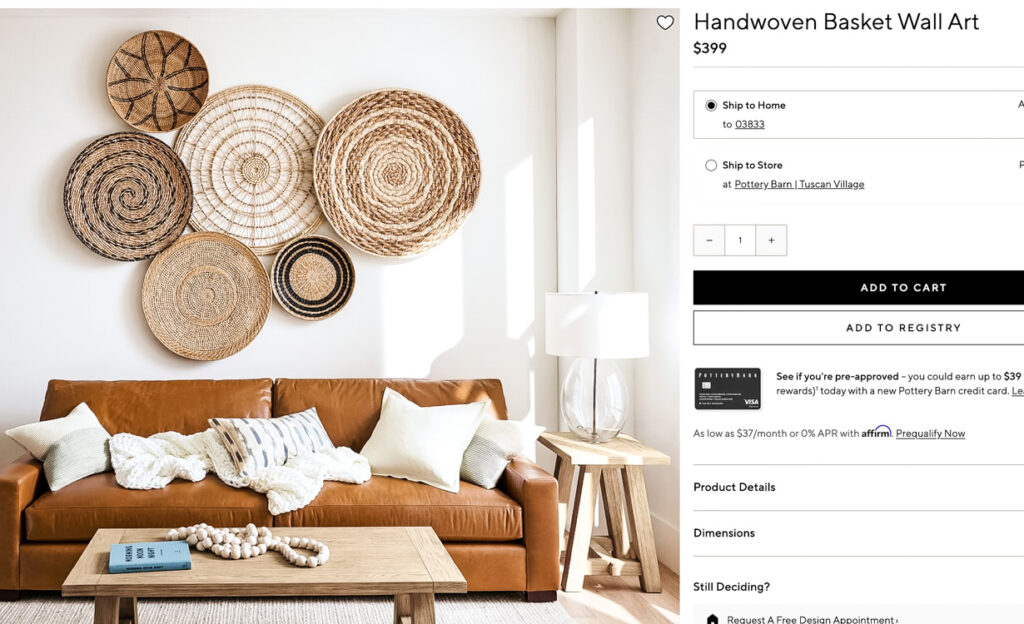
But making something yourself doesn’t always mean recreating a specific product down to the last detail. Sometimes it means looking at a catalog page or a store display and asking a different question: what is it about this that I love, and how can I get that feeling in my own home for a fraction of the price?
That’s a completely different creative skill and honestly one I love even more. It’s about understanding what draws you to something: the texture, the warmth, the scale, the mix of materials. And then going and finding or making your own version that captures that same feeling without being an exact copy.
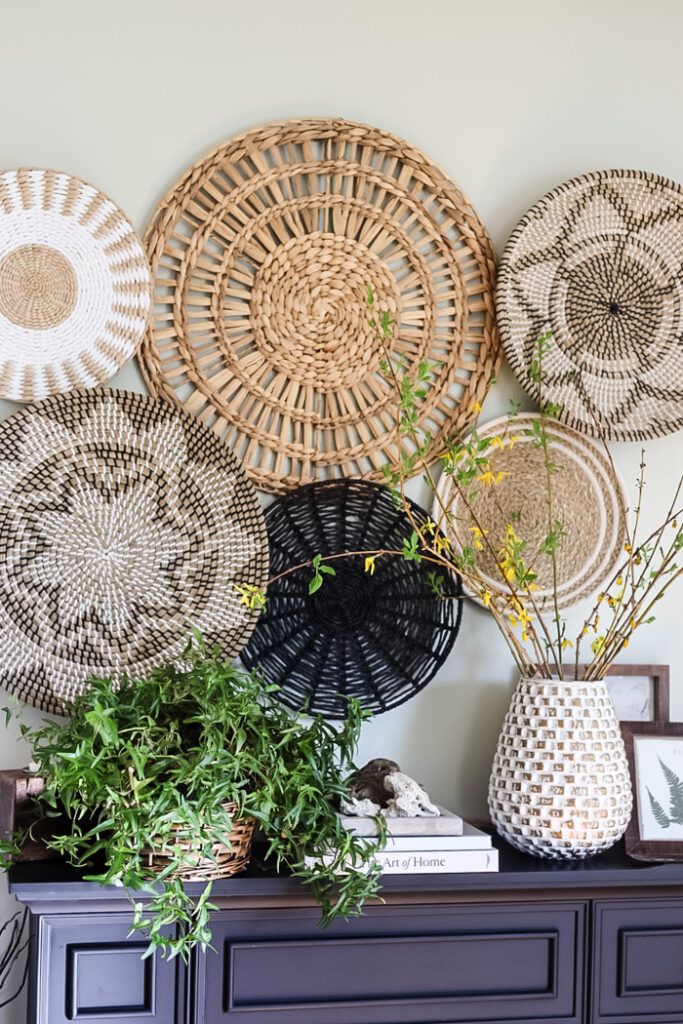
A perfect example is my woven basket wall. I spotted a gorgeous arrangement in a certain fancy catalog, you know the one, and the price tag was nearly $400. Instead of walking away defeated, I took that as a creative challenge. What was it about that display that I loved? The layered textures, the organic warmth, the mix of sizes, and weaves. Armed with that, I headed to Hobby Lobby during one of their 50% off sales and built my own version for around $65. Is it identical to the catalog version? No. Is it better? More personal, more interesting, more mine? Absolutely. You can see exactly how I did it right here.
This is the skill I want you to develop: the ability to look at something expensive and beautiful and reverse-engineer the feeling rather than the object. It will serve you in every room of your home, forever.


Pillar #3: Bring The Outside In
My mother grew peonies in rows.
I can picture them perfectly, those big, blowsy, impossibly fragrant blooms in every shade of pink and white, lined up in her garden like they owned the place. Growing up with a mother who gardened meant growing up in a house that always had flowers in it. A vase on the table, something coming in from outside, the inside and outside of our home in constant quiet conversation. I didn’t know it then, but that was my entire decorating philosophy being formed, one peony at a time.
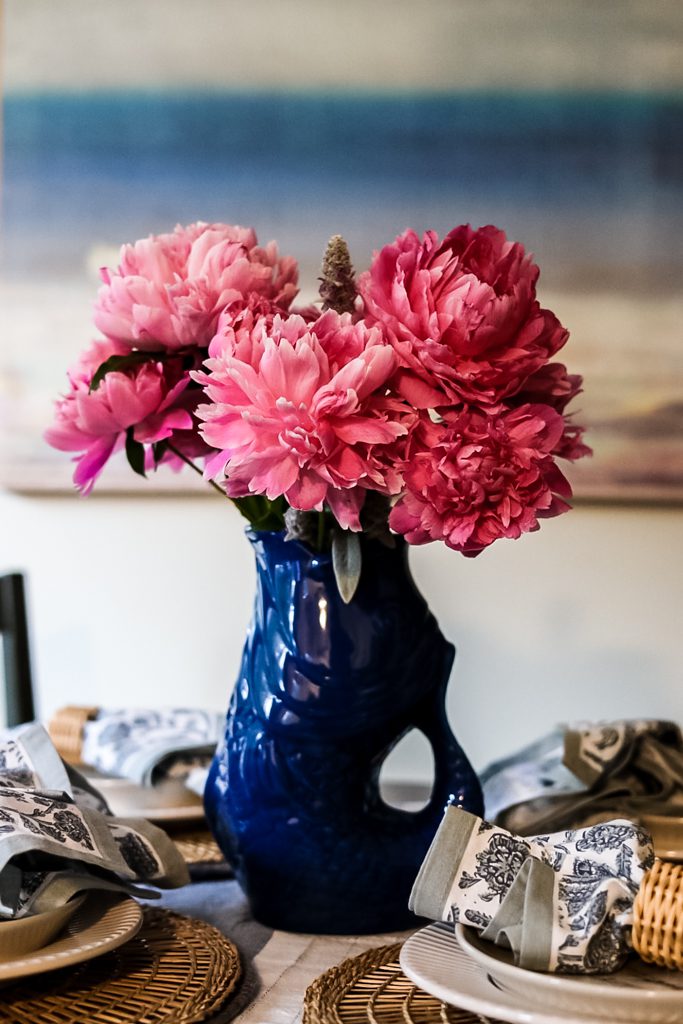
When I had my own home and my own garden, long before I had a dedicated cut flower garden, back when I just had a perennial garden, I grew my first peonies. And the June morning I cut those first blooms and brought them inside, I knew exactly where they were going. Not the kitchen table. We had 4 rambunctious boys at the time, and a vase of peonies on the table would have lasted approximately four minutes. They went on the windowsill by the sink instead, where I could see them while I did the dishes, and nobody could accidentally elbow them onto the floor.
That vase by the sink, that small, quiet, completely personal act of bringing something I grew with my own hands into my home, is the whole pillar in one image. It wasn’t a styled moment. It wasn’t content. It was just flowers I grew, in a vase I loved, in the spot that made me happiest. And it made the whole kitchen feel different. More alive. More mine.
That feeling never got old. It just grew…literally.
In 2023, I made a deliberate shift away from faux florals entirely and leaned fully into real, garden-to-home living. If you’ve been here since the early days of this blog, you might remember a different version of it. I used artificial flowers and greenery quite a lot back then, and there’s no shame in that; it was where I was. But once I started growing my own cut flowers and sharing what it actually looked like to bring the garden inside, I never looked back. Not once.

The cut flower garden changed everything. Growing strawflowers, sweet peas, zinnias, gomphrena, and sunflowers, specifically chosen to come indoors, means my home has something living and real in it from the first cutting of Spring right through to the last dried arrangement of winter. And when the fresh flowers are done for the season, the dried ones take over. Strawflowers in a little ceramic vase. A bundle of bunny tail grass on the mantel. Pressed blooms framed on the wall. The garden doesn’t stop giving just because the growing season ends.
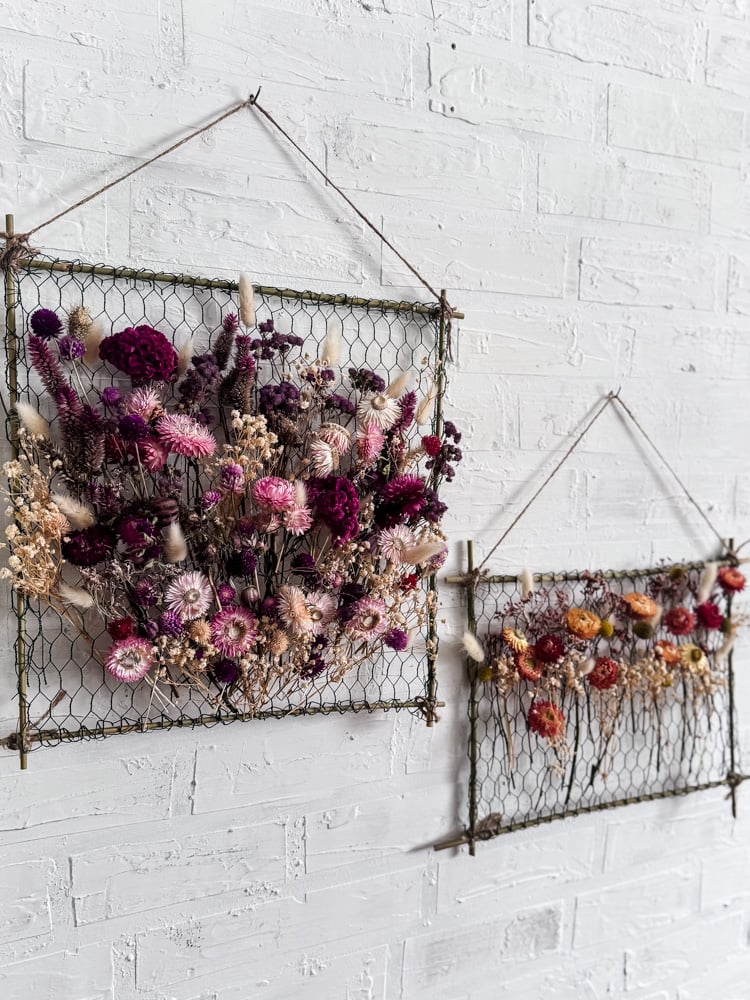

But here’s what I really want you to hear, especially if you don’t have a garden: this pillar doesn’t require one. A single bunch of tulips from the farm stand or the grocery store does exactly what those peonies by the sink did for me: it makes a space feel alive in a way that nothing manufactured ever quite can. A forced hyacinth bulb on a windowsill in February. A branch of forsythia cut before it blooms and brought inside to open in a vase of warm water. A handful of pine needles in a tiny jar. A bowl of citrus fruits on the counter.
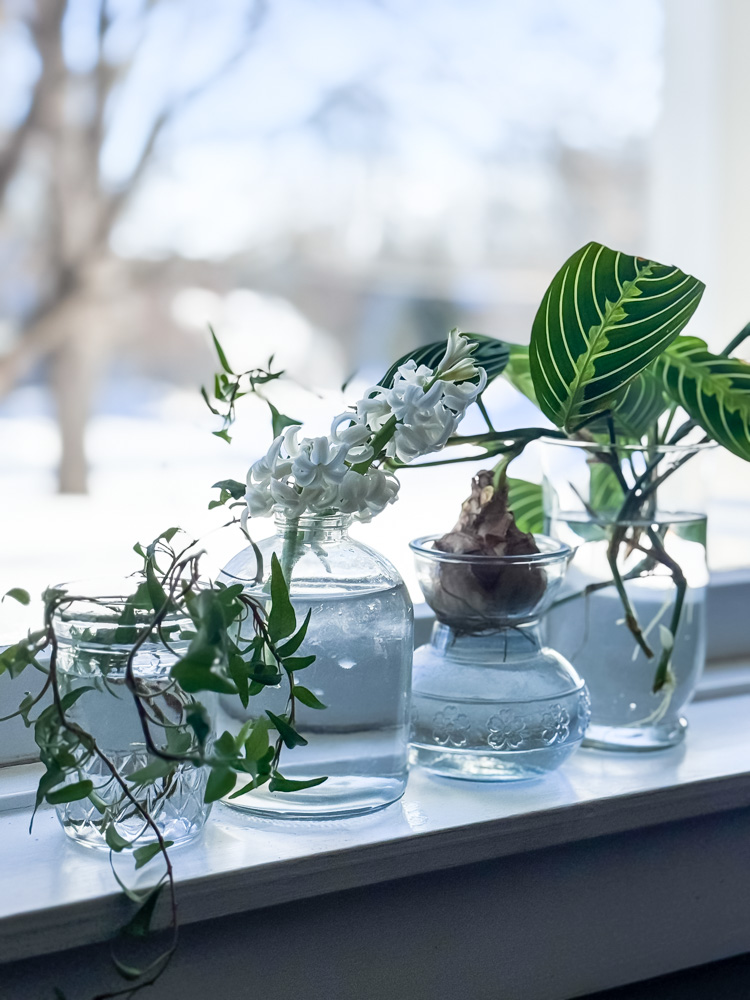
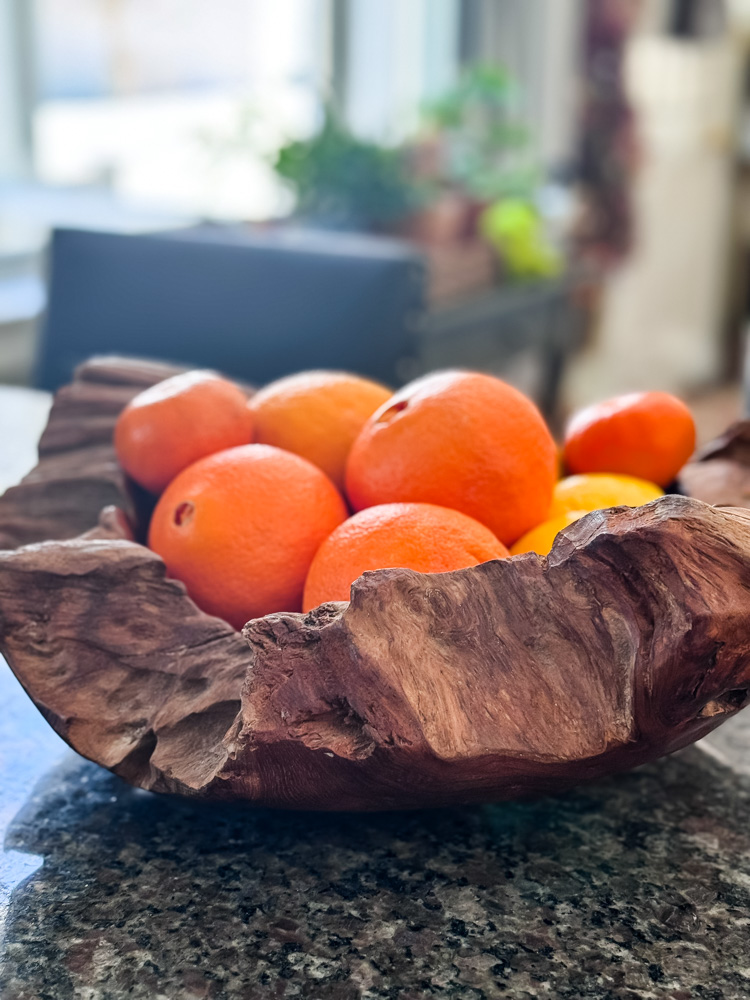
The outside is full of things waiting to come in. You just have to start looking.
And once you do, you will never reach for a plastic stem again. I promise you that.
Pillar #4: Shop Your Own Home First
Here’s the most budget-smart decorating secret I know, and it costs absolutely nothing: walk through your own home before you ever open a browser.
I have been doing this my entire life. Every apartment, every room, every space I have ever lived in has been regularly rearranged, refreshed, and reimagined without a single trip to a store. It’s just how my brain works! I see a room not as a fixed arrangement of objects but as a collection of possibilities that can be endlessly reconfigured. A lamp that has been in the bedroom for two years might be exactly what the living room has been missing. A painting that felt wrong in the hallway might be perfect above the mantel. A basket tucked in a closet might be the solution to the corner that never quite worked.

This isn’t a decorating technique I read about somewhere. It’s something I’ve done instinctively since my very first apartment. Long before I had a blog, long before I had a cut flower garden, long before I had any kind of decorating philosophy I could put into words, I was moving things around. Constantly. Happily. Because I knew that a fresh arrangement of what I already owned could make a space feel completely new.
Six different looks. One bookcase. Zero shopping trips.
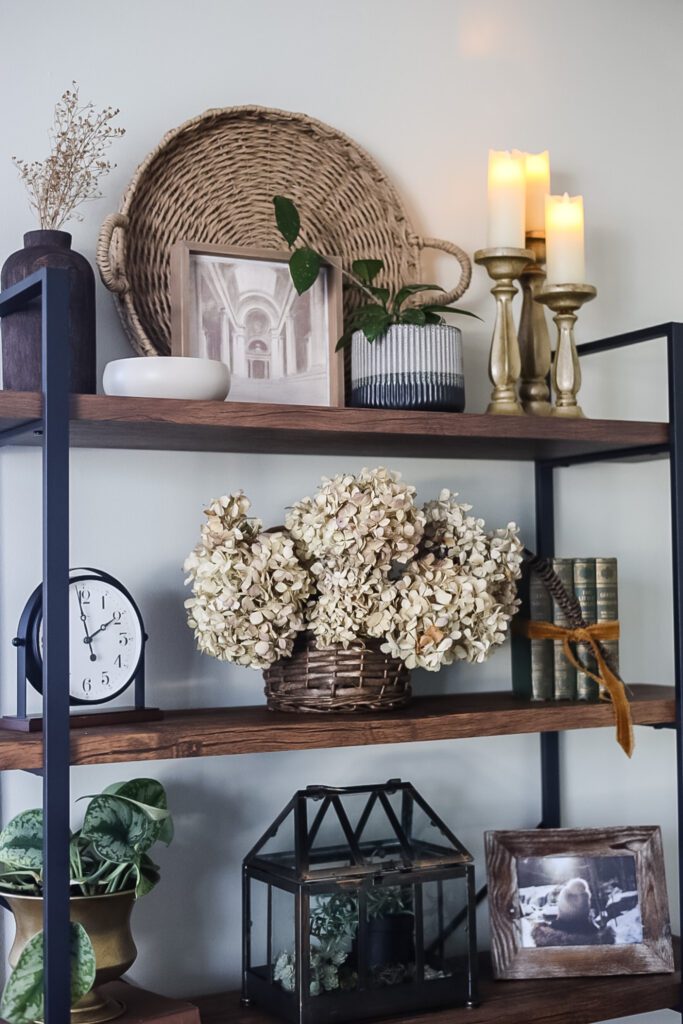


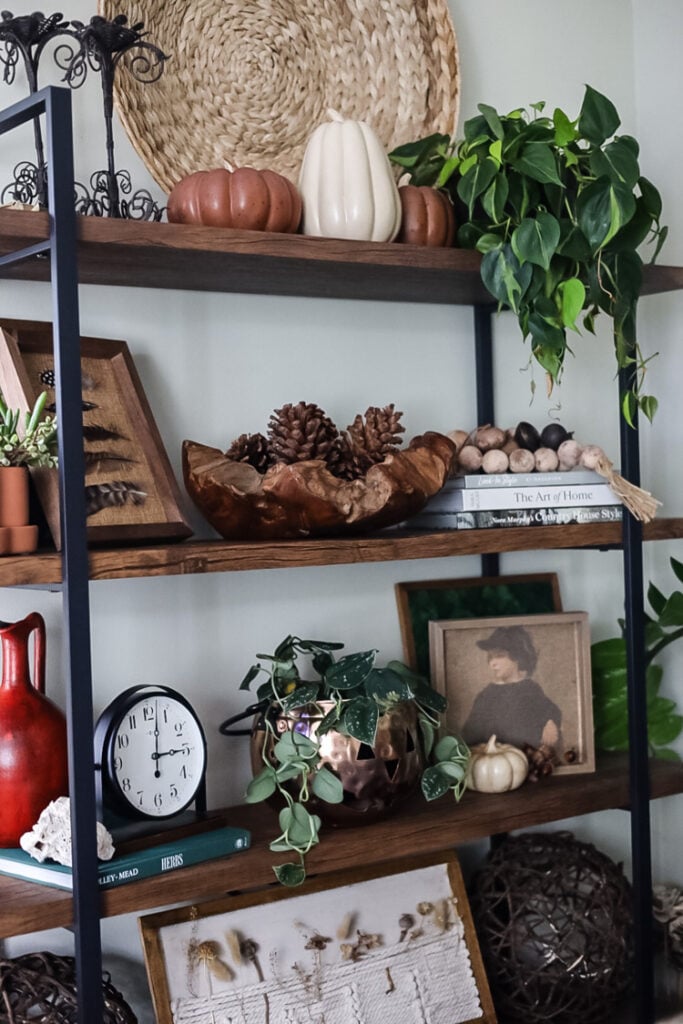
Scroll through to see how I’ve styled this living room bookcase over time: same bones, different mood each time. Some pieces are regulars, some are borrowed from other rooms, and almost everything is secondhand. This is exactly what I mean when I say your home already has everything it needs. Sometimes it just needs to be seen with fresh eyes.
The magic of this approach is that it also teaches you what you actually love. When you slow down and really look at what you own, not through the lens of “what do I need to buy” but through the lens of “what do I already have,” you start to see your possessions differently. The thrifted ceramic you’ve walked past a hundred times suddenly looks perfect in a new spot with better light. The stack of books you’ve been storing in the office turns out to be exactly the styling moment the coffee table needed.
You’re not just refreshing your space. You’re rediscovering it.
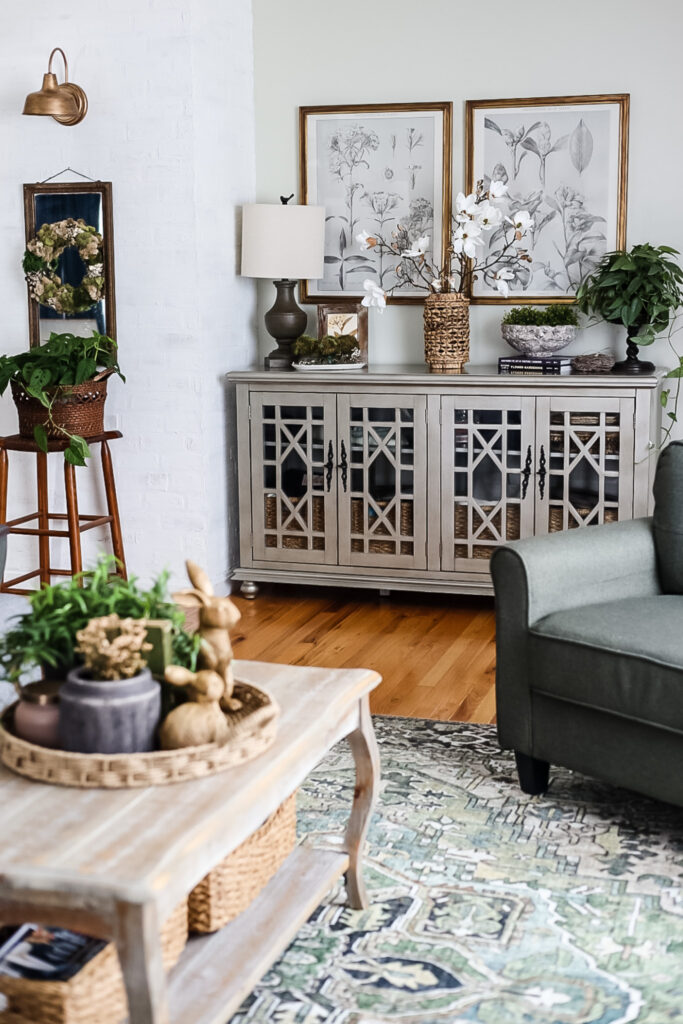
I call it shopping your home, and I genuinely believe it’s one of the most transformative things you can do for a room and for your relationship with what you already own. Before you add anything new, exhaust what you have. Move it, rotate it, repurpose it, see it in a different room entirely. You might be amazed at what you find.
And if, after all of that, the space still needs something? Great. Now you know exactly what’s missing, and you can go find it intentionally rather than impulse buying your way to a room that still doesn’t feel right.
The 24-hour pause I talked about in my Mindful Home Manifesto starts here with a lap around your own rooms before you reach for your phone. Nine times out of ten, the answer is already in your house. It’s just waiting to be seen with fresh eyes.
Pillar #5: Buy Slow, Buy Intentional
Let me be very clear about something: this entire philosophy is not about never spending money. I am not a minimalist. I do not want to live in a sparse white room with one meaningful object on a shelf. I like stuff…beautiful, interesting, collected stuff. I just want it to be the right stuff.
And that distinction between mindless spending and intentional spending is everything.
Last year, I splurged on a Magnolia rug for my living room. It is thick and luxurious, and every time I walk across it, I feel like I made an excellent life decision. Do I regret it for even one second? Absolutely not. But here’s the thing, I waited. I watched it. I held out until it went on sale, and then there was an additional percentage off, and then I bought it. That patience isn’t deprivation. That’s just being smart about something you genuinely want.

The same logic applies to my Pottery Barn pillow covers. Yes, I have them- two beautiful patterned covers that anchor my sectional perfectly. But the rest of the pillows on that sofa? Bargains, every one. The splurge and the budget live happily together because the splurge was intentional, and the budget pieces were chosen carefully. Nobody can tell which is which. That’s the goal.
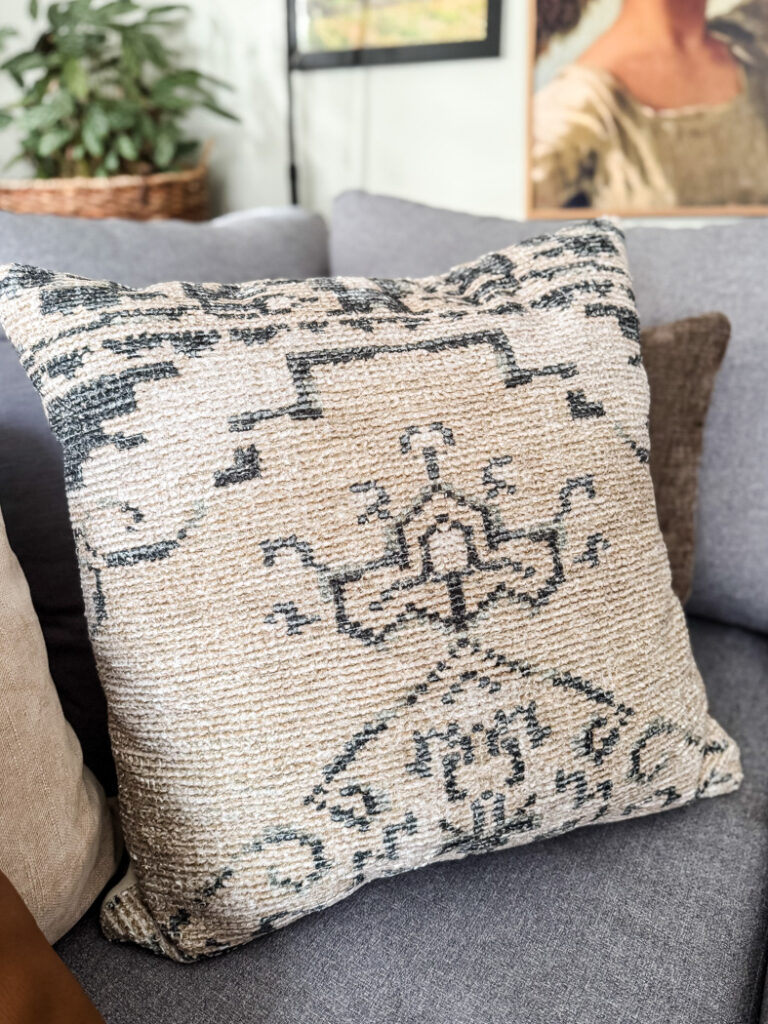
There are a few categories where I will always spend more willingly. Quality bed linens are one, you spend a third of your life in bed, and good linen gets softer and more beautiful every single wash. That is the definition of a worthwhile investment. And interesting pieces from local shops or local artists are another, because when you buy something made by a person in your community, you’re not just decorating your home, you’re supporting a maker, collecting a story, and bringing something genuinely one-of-a-kind into your space. No algorithm recommended it. No influencer unboxed it. You found it yourself, and it means something.

This is what I think of as the soul-stirring splurge rule: if you encounter something that genuinely stops you in your tracks, a piece of art, a hand-thrown mug, a vintage quilt, a rug that feels like walking on a cloud, and it has a home waiting for it in your space, buy it. Without guilt, without hesitation. Life is too short for a home full of cautious beige compromises.
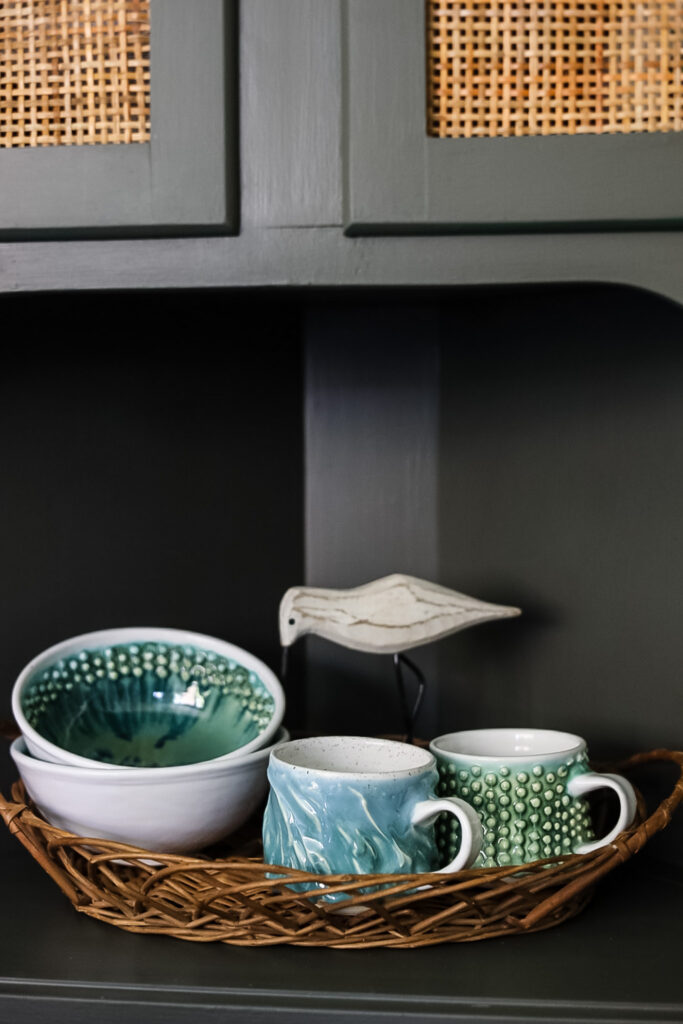
The goal was never “never spend money.” It’s “spend money on things that actually matter to you.” There is a world of difference between those two sentences, and learning to tell them apart will change the way you shop forever.
The question I ask before any purchase, whether it’s big or small, is simply this: Will I still love this in five years? If the honest answer is yes, I buy it. If there’s any hesitation, I wait. That pause, even just 24 hours, has saved me from more regretful purchases than I can count and made the ones I did make feel all the more meaningful.
Pillar #6: Embrace Imperfect & Collected
If you walked into my home and tried to identify the “perfectly curated” moment, the one styled vignette that looks like it came straight from a photoshoot, you would have a hard time finding it. Not because my home isn’t beautiful. I think it is. But because it doesn’t look like a catalog page, and it was never supposed to.
It looks like a home that has been lived in, loved in, and built slowly over a very long time by someone with a good eye and absolutely no interest in throwing everything out and starting over every time a new trend arrives.
That is not an accident. It is the whole point.
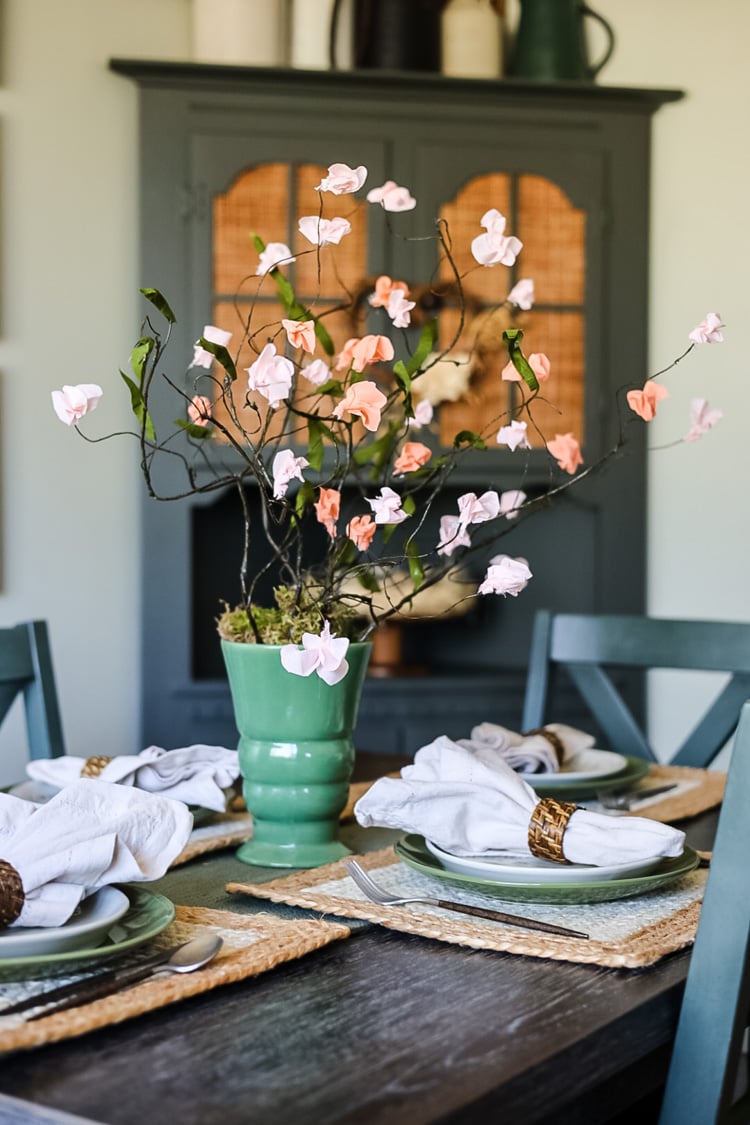
The corner hutch that came with the house, painted through several evolutions until it landed on the perfect moody green. The thrifted nightstand with the original hardware that nobody makes anymore. The cabinet I paid $15 for that now looks like it belongs in a French farmhouse. The bookcase styled and restyled with the same beloved pieces rearranged into something that feels completely new. None of these things are perfect. All of them are exactly right.
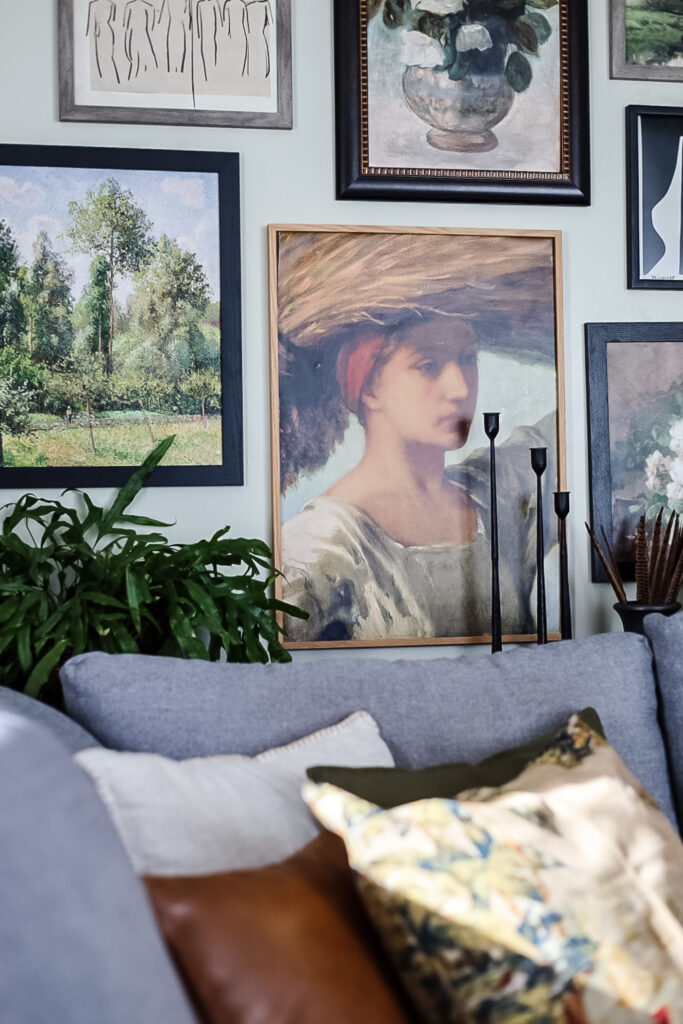
Here’s what I’ve come to believe about the “imperfect and collected” look: it cannot be purchased. Not all at once, anyway. It only happens when things arrive from different places at different times: a yard sale here, a thrift store there, a piece inherited from a family member, something you made yourself on a rainy Saturday afternoon. The mix of stories is what gives a space its soul. You can feel it the moment you walk in, even if you can’t quite articulate why.
This is also why I will always choose the thrifted ceramic with the slightly uneven glaze over the factory-made “artisan look” version. Why I reach for the dried hydrangeas from last summer’s garden before I consider a polyester stem from a big box store. Why I keep the worn cotton throw that has softened beautifully with washing instead of replacing it with a crisp new one. These things have patina. They have history. They make a room feel inhabited rather than staged.
The world of home decor and social media, in particular, sells us the idea that our homes should look finished. Complete. Perfect. Like everything arrived on the same truck from the same store on the same Tuesday and was arranged by someone who has never actually lived there.
But a home that looks finished isn’t a home at all. It’s a showroom.
Real homes have the book you’re currently reading on the coffee table. The throw that got pulled to one side because someone was actually cold. The slightly uneven arrangement on the mantel because you moved something to make room for a vase of garden clippings and never moved it back. These are not flaws. These are evidence of a life being beautifully, messily, wonderfully lived.
Embrace them. Every single one.
This Is How I’ve Always Done It
We’ve covered a lot of ground in this post. Six pillars, a lifetime of decorating philosophy, and one wicker rocking chair carried home over the head of a twenty-something who had absolutely no idea she was laying the foundation for everything that would follow.
But here’s what I want you to take away from all of it:
This is not a method I learned from a book or adopted after reading a decorating blog. It’s not a trend I’m following or a philosophy I picked up recently and decided to try on for size. It is simply the way I have always approached a home: instinctively, joyfully, and with a deep belief that beautiful spaces are built slowly, with intention, from things that actually mean something to you.
The wicker rocker that started it all? Still the most “me” purchase I ever made. Impractical, secondhand, completely loved. If I think about it, that one chair contained every single one of these six pillars before I even had words for them. It was shopped secondhand. It was chosen with intention over impulse. It was imperfect and personal and absolutely collected, even if it was the only thing in the room at the time.

And that little girl in the photo above, four years old, very seriously arranging dried flowers in a found glass bottle on a small table, she knew it too. Long before blogs, long before Instagram, long before anyone was talking about slow decorating or mindful homes or anti-haul lists. She just knew that a pretty bottle with something pretty in it made a corner of the world feel better. And that you didn’t need to buy anything special to make that happen.
Apparently, some things really don’t change.
If you’re new here, welcome! I’m so glad you found your way to this little corner of the internet. This post is the best place to start, but there’s so much more waiting for you. I’d especially love for you to read my Mindful Home Manifesto, where I go deeper into the why behind everything I do here. And if the anti-haul philosophy resonated with you, my post on what I’m not buying for my home in 2026 will feel very familiar.
If you’ve been here a while, thank you. You’ve watched this evolve in real time, from a different aesthetic and a different version of this blog into something that finally feels completely and authentically mine. I don’t take that loyalty lightly.
Now I’d love to hear from you: which of these six pillars resonates most with where you are right now in your own home? Are you a natural thrifter? A born DIYer? Someone who is just starting to think about shopping your home before reaching for your phone? Drop it in the comments, there are no wrong answers, and I genuinely want to know.
Here’s to building homes with soul, not just stuff.
xo, Jennifer
Love projects like this? Don’t miss out! Join my newsletter family for more cozy, budget-friendly DIY ideas delivered right to your inbox. You’ll get exclusive tips, early access to tutorials, and all the inspiration you need to make your home feel handmade and heartfelt.

best rug lookalikes
designer rug showdown
my best finds

Thrift Store Decorating
My Best Ideas
thrifted & Vintage:


